
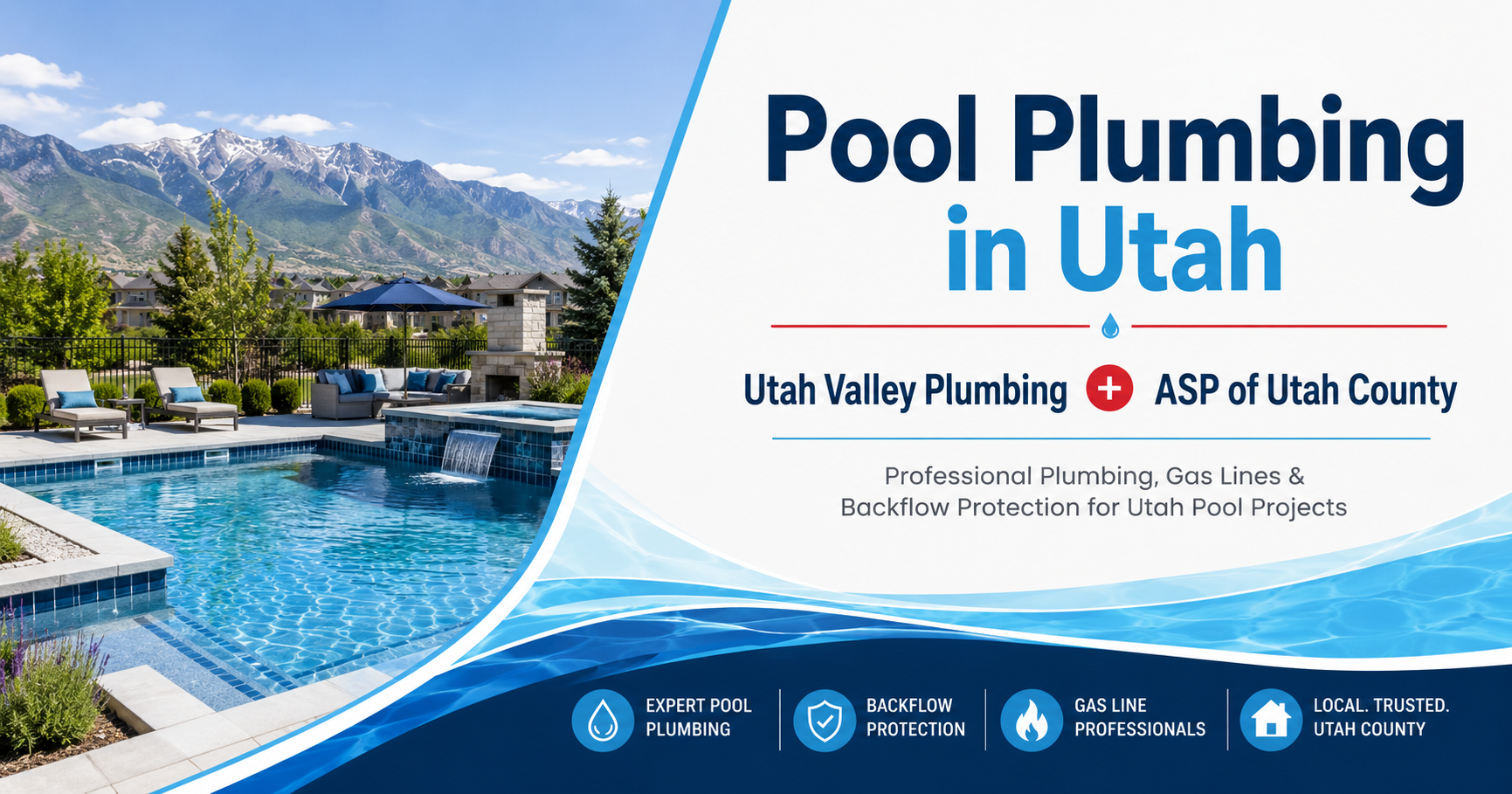
Pool Plumbing in Utah: Utah Valley Plumbing Partners With ASP of Utah County
Utah Valley Plumbing is partnering with America’s Swimming Pool Company of Utah County to provide professional plumbing and gas expertise for pool projects throughout the area.
Building a pool in Utah involves a lot more than excavation, concrete and beautiful landscaping. Behind the finished pool is an entire system of water lines, backflow protection, pumps, heaters and gas infrastructure that needs to be designed for safety, performance and Utah's demanding climate.
That is why Utah Valley Plumbing has partnered with America’s Swimming Pool Company (ASP) of Utah County. Utah Valley Plumbing will serve as ASP's dedicated licensed plumbing partner for critical water and gas-related portions of pool construction and service.
The partnership combines ASP's experience in pool design, construction and maintenance with Utah Valley Plumbing's experience working with residential and commercial water systems, gas lines and plumbing infrastructure throughout Utah County.
What does a plumber do when building a pool?
A professional plumber may be involved with potable-water connections, backflow protection, gas supply for pool heaters, pressure regulation, testing and other plumbing infrastructure. The exact requirements depend on the pool design, equipment and applicable local codes.
Licensed plumbing, water and gas expertise
Pool construction, service and maintenance
Why Professional Pool Plumbing Matters in Utah
A swimming pool connects multiple systems around a home. Depending on the project, that can include a connection to the home's potable water supply and a natural-gas line supplying a pool or spa heater.
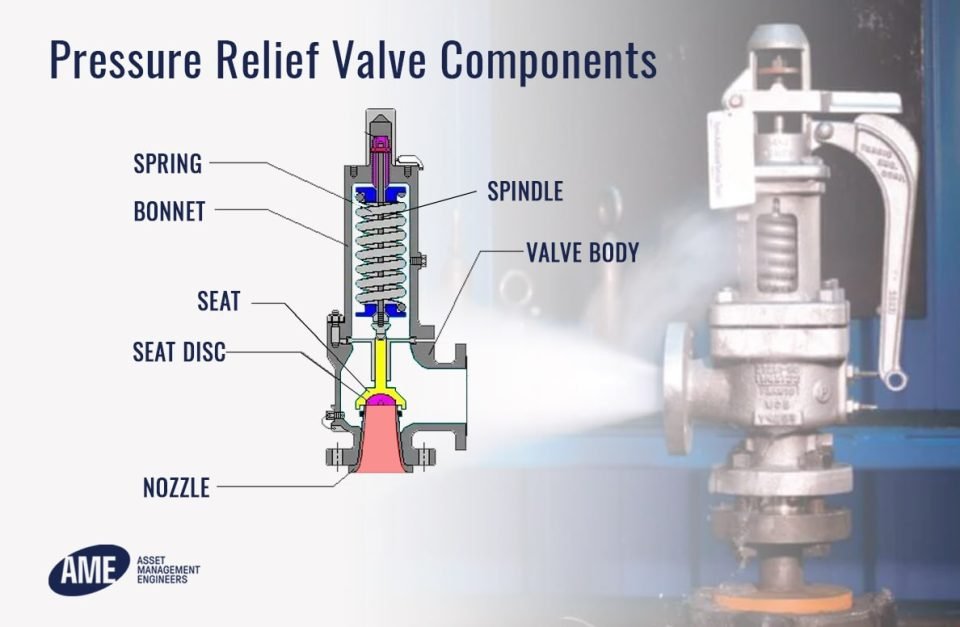
Those aren't areas where shortcuts make sense. Proper backflow protection helps prevent treated pool water from entering a home's drinking-water system, while properly sized and installed gas infrastructure helps a pool heater operate safely and consistently.
Utah Valley Plumbing already works extensively with gas line installation and repair in Utah, pressure regulation and residential water systems. The partnership gives ASP access to that plumbing experience as part of its Utah County pool projects.
“There are two critical areas of pool construction that the law requires a licensed professional to handle, and these are exactly the services we execute for ASP. First is potable water and backflow protection, ensuring the community's clean drinking water is never contaminated by pool water. Second is the gas system for pool heaters. We handle the complex venting, install pressure regulators when needed, and perform rigorous testing to ensure proper, safe operation.”
— Mark, Master Plumber and Owner of Utah Valley PlumbingPool plumbing in Utah also has to account for conditions homeowners in warmer climates may never think about. Freezing winter temperatures and mineral-heavy hard water can both affect the long-term reliability of pool equipment and piping.
Building those realities into the system from the beginning can make the difference between a pool that is relatively straightforward to own and one that becomes a source of expensive repairs.
Pros and Cons of Owning a Pool in Utah
A backyard pool can completely change how a family uses its outdoor space, but Utah homeowners should understand both the benefits and the additional responsibilities created by the local climate.
Advantages of a Pool in Utah
- A place to cool off during hot Utah summers: A private pool creates an easy place for swimming, entertaining and family gatherings during the hottest part of the year.
- More usable outdoor living space: A well-designed pool can become the focal point of an entire backyard, especially when integrated with landscaping, patios and other outdoor features.
- Exercise and recreation at home: Swimming provides low-impact cardiovascular exercise without requiring a trip to a gym or recreation center.
- Potential buyer appeal: For the right home and buyer, a professionally constructed pool can be a desirable feature.
Challenges of a Pool in Utah
- A naturally shorter swimming season: Utah's cooler spring and fall temperatures often make a pool heater valuable for homeowners who want to extend the season.
- Winterization matters: Water left in vulnerable plumbing during freezing weather can expand and damage pipes, fittings and equipment.
- Hard water: Mineral buildup can contribute to scaling on pool surfaces and equipment when water chemistry is not properly managed.
- Ongoing maintenance: Water chemistry, equipment and filtration systems require regular attention. Professional pool maintenance can make ownership considerably easier.
5 Things to Consider Before Building a Pool in Utah
If you're considering a pool in Orem, Lehi, Provo, American Fork or elsewhere in Utah County, these are five of the most important plumbing and infrastructure considerations to discuss before construction begins.
Protect Your Home's Drinking Water
Pool fill systems and other connections to potable water need to be designed so pool water cannot flow backward into the home's drinking-water system. Appropriate backflow protection is an important part of protecting both the home and public water supply.
The required device and installation method can vary depending on the system and local code, which is one reason professional plumbing involvement matters.
Plan the Pool Heater and Gas Line Correctly
A gas pool heater can significantly extend Utah's usable swimming season, but the heater needs a gas supply capable of supporting its demand.
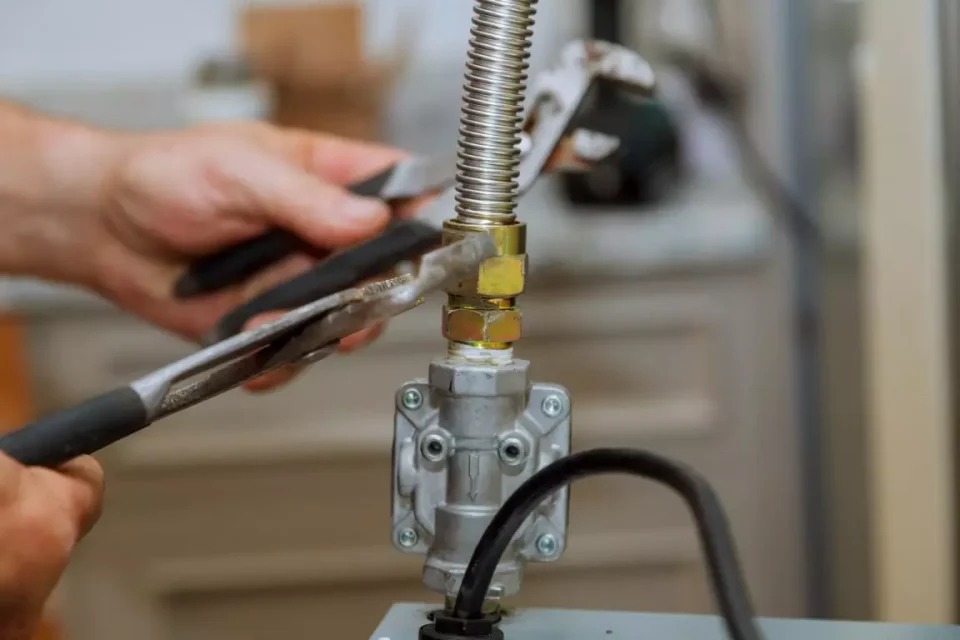
Proper installation may involve gas-line sizing, regulators, shutoff valves, equipment clearances, venting and system testing. Utah Valley Plumbing provides professional gas line services in Utah County and works with ASP on these critical components.
Design the Plumbing Around Utah Winters
Pool plumbing in Utah needs to be designed with freezing weather in mind. Water expands as it freezes, and trapped water inside pipes or equipment can create expensive damage.
Good system design should make seasonal winterization as practical and complete as possible. Before the first hard freeze, homeowners should make sure the pool and exposed plumbing are properly prepared for winter.
Account for Utah's Hard Water
Utah homeowners are already familiar with mineral buildup on faucets, glass and plumbing fixtures. Pool equipment is also exposed to water chemistry and mineral scaling.
Calcium buildup can affect heat exchangers, salt cells, plumbing and other equipment when water chemistry is neglected. Consistent testing and maintenance are important for protecting the system.
Homeowners dealing with mineral-heavy water can also learn more about hard water and water softeners in Utah.
Choose the Right Pool and Plumbing Professionals
A pool is a major construction project. The finished surface may be what homeowners see every day, but the underground plumbing, gas system, equipment and water connections are what keep everything functioning.
Working with ASP of Utah County gives homeowners a pool company with local service and maintenance capabilities, while its partnership with Utah Valley Plumbing brings professional plumbing and gas expertise into critical parts of the project.
Why Utah Valley Plumbing and ASP of Utah County Are Working Together
ASP's goal is to provide Utah County homeowners with professionally built and maintained swimming pools. Part of that commitment is recognizing when a project crosses into specialized plumbing and gas work.
Rather than treating those systems as an afterthought, ASP can bring Utah Valley Plumbing into the portions of the project where licensed plumbing expertise is needed.
Utah Valley Plumbing is locally owned and operated by a Utah Master Plumber and has decades of experience solving plumbing problems throughout the area. The company's existing expertise in water, gas, pressure regulation and Utah's hard-water conditions translates naturally to the infrastructure supporting a swimming pool.
For homeowners, the benefit is simple: the pool contractor and plumbing contractor can each focus on the areas they know best.
Frequently Asked Questions About Pool Plumbing in Utah
1. Do I need a licensed plumber when building a pool in Utah?
Certain portions of a pool project can involve regulated plumbing or gas systems, including potable-water connections, backflow protection and natural-gas supply. Requirements vary by project and local jurisdiction, so homeowners and builders should verify the applicable requirements before work begins. Utah Valley Plumbing handles professional plumbing and gas work for ASP of Utah County.
2. What is pool backflow protection?
Backflow protection is designed to prevent water from a pool or another non-potable source from flowing backward into a home's clean drinking-water supply. The correct device and installation depend on the plumbing configuration and applicable code requirements.
3. Does a gas pool heater need a dedicated gas line?
Many gas pool heaters have substantial fuel demands. The existing gas system needs to be evaluated to determine whether the piping, meter, regulators and other components can support the heater safely and at the required pressure.
4. Can Utah Valley Plumbing install gas lines for pool heaters?
Yes. Utah Valley Plumbing provides professional gas line installation and repair and is partnering with ASP of Utah County for plumbing and gas-related portions of pool projects.
5. How does Utah's freezing weather affect pool plumbing?
Water expands when it freezes. Water trapped inside pool plumbing, pumps, filters or other equipment during a hard freeze can cause cracks and other damage. Proper system design and seasonal winterization are especially important in Utah.
6. How long is the swimming season in Utah?
The exact swimming season depends on weather, pool exposure, water temperature and personal preference. A professionally installed pool heater can help homeowners use their pool earlier in spring and later into fall than an unheated pool.
7. Does Utah's hard water affect pools?
It can. Calcium and other dissolved minerals can contribute to scale on pool surfaces and equipment if water chemistry is not properly maintained. Regular testing and professional pool maintenance can help control mineral buildup.
8. Who handles pool maintenance after construction?
America's Swimming Pool Company of Utah County provides professional pool service and maintenance in the area, allowing homeowners to outsource routine water care and equipment maintenance.
9. What are the signs of a pool plumbing leak?
Possible warning signs include unexplained water loss, difficulty keeping the pump primed, air entering the circulation system or consistently wet areas around underground plumbing. Water loss can have several causes, so professional diagnosis is important before assuming an underground line has failed.
10. How do I start building a pool in Utah County?
Start by speaking with a professional pool contractor about your yard, goals, budget, pool size, heating requirements and maintenance expectations. ASP of Utah County can help with pool construction and service, while Utah Valley Plumbing provides professional plumbing and gas expertise for applicable portions of the project.
Building a Pool in Orem or Utah County?
Pool construction is a major investment, and some of the most important parts of the project will eventually be hidden underground, behind equipment or inside utility connections.
Planning the water supply, backflow protection, gas system, pool heater and winterization strategy correctly from the beginning can reduce headaches later and help protect the equipment you are investing in.
Utah Valley Plumbing serves homeowners throughout Utah County, including Orem, Lehi, Provo, American Fork, Pleasant Grove, Highland, Saratoga Springs and surrounding communities.
Ready to Talk About Your Utah Pool Project?
Whether you're planning a new pool, working through the plumbing and gas requirements for a pool heater, or looking for professional pool maintenance, Utah Valley Plumbing and ASP of Utah County can help you get the right professionals involved.
America's Swimming Pool Company of Utah County: (801) 509-6646 | Visit ASP of Utah County
Utah Valley Plumbing: (801) 515-3200 | UtahValleyPlumbing.com