Frequently Asked Questions
What are the benefits of tankless water heaters?
The benefits of tankless water heaters include unlimited hot water on demand, energy efficiency, and space-saving design. They also have a longer lifespan and lower risk of leaks compared to traditional tank systems, making them a smart investment for homeowners.
How can I schedule installation or repair for a tankless water heater?
Scheduling installation or repair for a tankless water heater is easy. Simply contact Utah Valley Plumbing by phone or through our website to set up an appointment at your convenience.
What are the energy savings of tankless water heaters?
The energy savings of tankless water heaters are significant, as they only heat water on demand, reducing energy consumption by up to 30% compared to traditional tank heaters. This efficiency leads to lower utility bills and a smaller carbon footprint.
How long do tankless water heaters last?
Tankless water heaters typically last between 15 to 20 years with proper maintenance. Their longevity can be influenced by factors such as water quality and usage patterns.
What maintenance is required for tankless systems?
Maintenance for tankless systems includes regular descaling to prevent mineral buildup, checking the filters, and ensuring proper ventilation. Annual professional inspections help maintain efficiency and extend the lifespan of the unit.
Can tankless water heaters provide enough hot water?
Tankless water heaters can provide enough hot water for your needs by heating water on demand. With the right size and proper installation, they can supply continuous hot water for multiple outlets simultaneously.
What size tankless water heater do I need?
The size of the tankless water heater you need depends on your household's peak hot water demand. Typically, a unit with a flow rate of 5-10 gallons per minute is suitable for most homes, but larger families may require higher capacity models.
Are tankless water heaters worth the investment?
The value of tankless water heaters lies in their energy efficiency and long-term savings. While the initial cost is higher, they provide endless hot water and lower utility bills, making them a worthwhile investment for many homeowners.
How do I choose a tankless water heater?
Choosing a tankless water heater involves assessing your household's hot water needs, considering the flow rate and temperature rise required, and selecting a model that fits your space and budget while ensuring energy efficiency.
What brands offer reliable tankless water heaters?
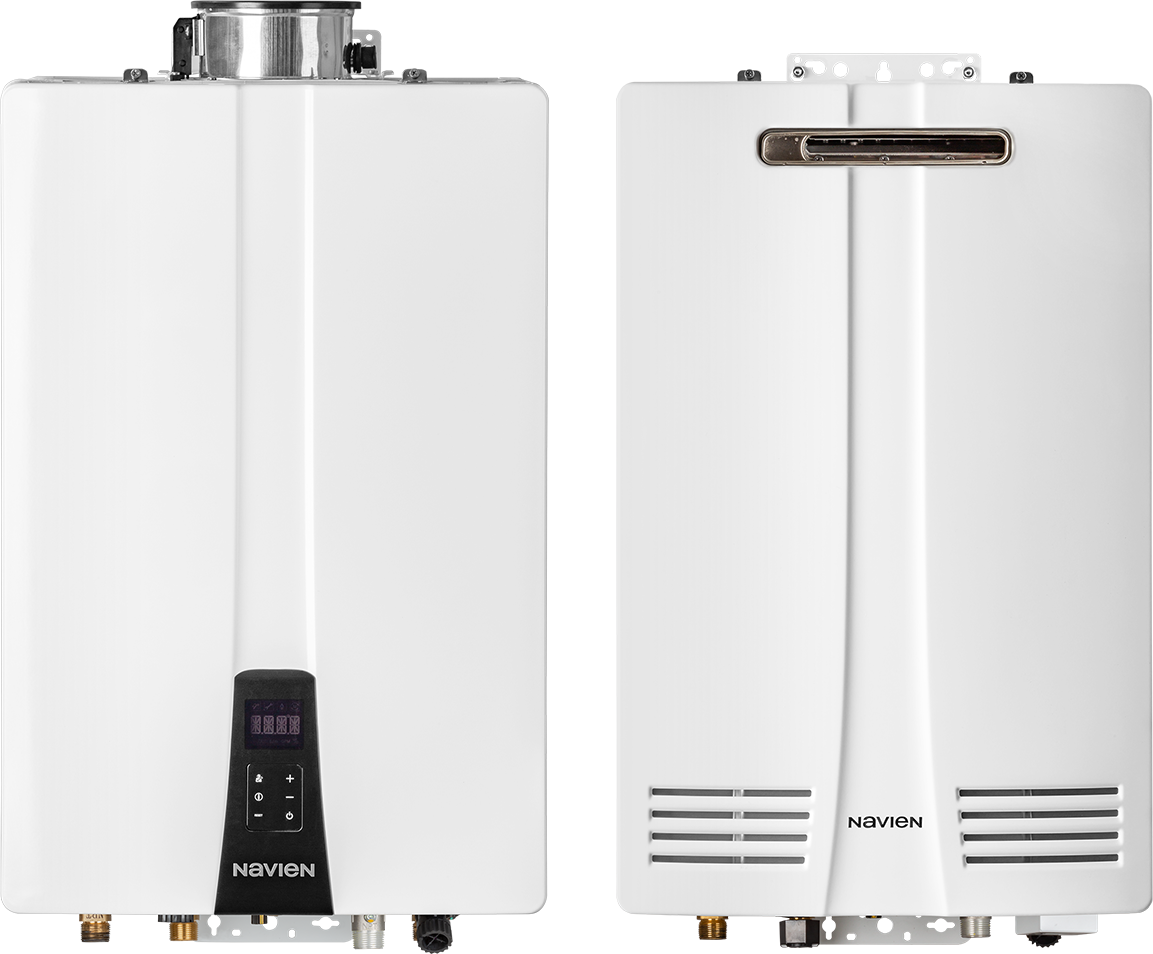
Reliable tankless water heater brands include Rinnai, Navien, and Bosch, known for their efficiency, durability, and advanced technology, making them excellent choices for homeowners in need of dependable hot water solutions.
How does installation differ from traditional heaters?
The installation of tankless water heaters differs from traditional heaters primarily in size and placement. Tankless units are compact and can be mounted on walls, allowing for flexible installation options compared to the larger footprint required for traditional tank heaters.
What are common issues with tankless water heaters?
Common issues with tankless water heaters include inconsistent water temperature, mineral buildup, and insufficient flow rate. Regular maintenance can help prevent these problems and ensure optimal performance.
How can I improve tankless water heater efficiency?
Improving tankless water heater efficiency involves regular maintenance, such as descaling the unit, ensuring adequate ventilation, and adjusting the temperature settings. Additionally, reducing hot water demand during peak times can enhance overall performance.
What is the average cost of installation?
The average cost of installation for a tankless water heater typically ranges from $1,000 to $3,000, depending on factors like the unit type, existing plumbing, and specific installation requirements.
Are there tax incentives for tankless water heaters?
Tax incentives for tankless water heaters are available in some areas. Homeowners may qualify for federal or state tax credits when installing energy-efficient models, so it's advisable to check local regulations and consult a tax professional for specific eligibility.
How do tankless heaters compare to traditional models?
Tankless heaters differ from traditional models by providing on-demand hot water, eliminating the need for a storage tank. This results in energy savings, longer lifespan, and reduced risk of leaks, making them a more efficient choice for homeowners.
What features should I look for in a tankless heater?
The features to look for in a tankless heater include energy efficiency ratings, flow rate capacity, temperature control options, and warranty terms. Additionally, consider the size and installation requirements to ensure it fits your home’s needs.
Can I install a tankless water heater myself?
Installing a tankless water heater yourself is not recommended. Proper installation requires specialized knowledge of plumbing and electrical systems to ensure safety and efficiency. It's best to hire a professional for optimal results.
What is the warranty on tankless water heaters?
The warranty on tankless water heaters typically varies by manufacturer but generally ranges from 5 to 15 years. It's essential to check specific warranty details for your model to understand coverage and conditions.
How do I troubleshoot tankless water heater problems?
Troubleshooting tankless water heater problems involves checking the power supply, ensuring the water filter is clean, and verifying that the gas supply is adequate. If issues persist, consult a professional for further diagnosis and repair.
What are the environmental benefits of tankless heaters?
The environmental benefits of tankless heaters include reduced energy consumption and lower greenhouse gas emissions. By heating water on demand, they minimize waste and can significantly decrease your carbon footprint compared to traditional tank water heaters.
How does water quality affect tankless systems?
Water quality significantly impacts tankless systems. Hard water can lead to mineral buildup, reducing efficiency and lifespan, while contaminants may affect performance. Regular maintenance and water softening can help mitigate these issues, ensuring optimal operation.
What is the lifespan of a tankless water heater?
The lifespan of a tankless water heater typically ranges from 15 to 20 years, depending on usage and maintenance. Regular servicing can help maximize its longevity and efficiency.
How do I find a qualified installer?
Finding a qualified installer involves researching local plumbing services, checking online reviews, and verifying credentials. Look for companies with experience in tankless water heaters, like Utah Valley Plumbing, to ensure quality installation and service.
What permits are needed for installation?
The permits needed for installation typically include a building permit and, in some cases, a plumbing permit. It's essential to check with your local municipality for specific requirements in Utah County.
Can tankless water heaters work in cold climates?
Tankless water heaters can work effectively in cold climates. However, it's important to ensure proper installation and insulation to prevent freezing and maintain efficiency in colder temperatures.
How do I know if my home needs a tankless system?
Determining if your home needs a tankless system involves assessing your hot water usage. If your household frequently runs out of hot water or you want to save space and energy, a tankless water heater may be the ideal solution.
What are the plumbing requirements for installation?
The plumbing requirements for installation include adequate water supply lines, proper drainage, and appropriate venting for gas models. Additionally, ensure that the installation area meets local codes and regulations for tankless water heaters.
How can I schedule a consultation for installation?
Scheduling a consultation for installation is easy. Simply contact Utah Valley Plumbing by calling us or filling out the online form on our website, and our team will assist you in setting up an appointment at your convenience.
What are the best practices for tankless water heater care?
The best practices for tankless water heater care include regular descaling to prevent mineral buildup, ensuring proper ventilation, and scheduling annual maintenance checks with a professional to keep the system running efficiently.