
Winter in Utah can be harsh, and if you’re a homeowner, preparing your pipes for the cold is essential to avoid costly repairs. Frozen pipes can cause extensive damage, leading to water leaks, bursts, and expensive water damage repairs. Utah Valley Plumbing has compiled these practical, expert tips to help you keep your pipes safe all season long. Follow our guide to prevent frozen pipes and ensure your home stays warm and secure throughout winter.
Why Preventing Frozen Pipes is Essential
Frozen pipes aren�t just an inconvenience; they can cause significant damage to your property and lead to costly repairs.
Risks of Frozen Pipes
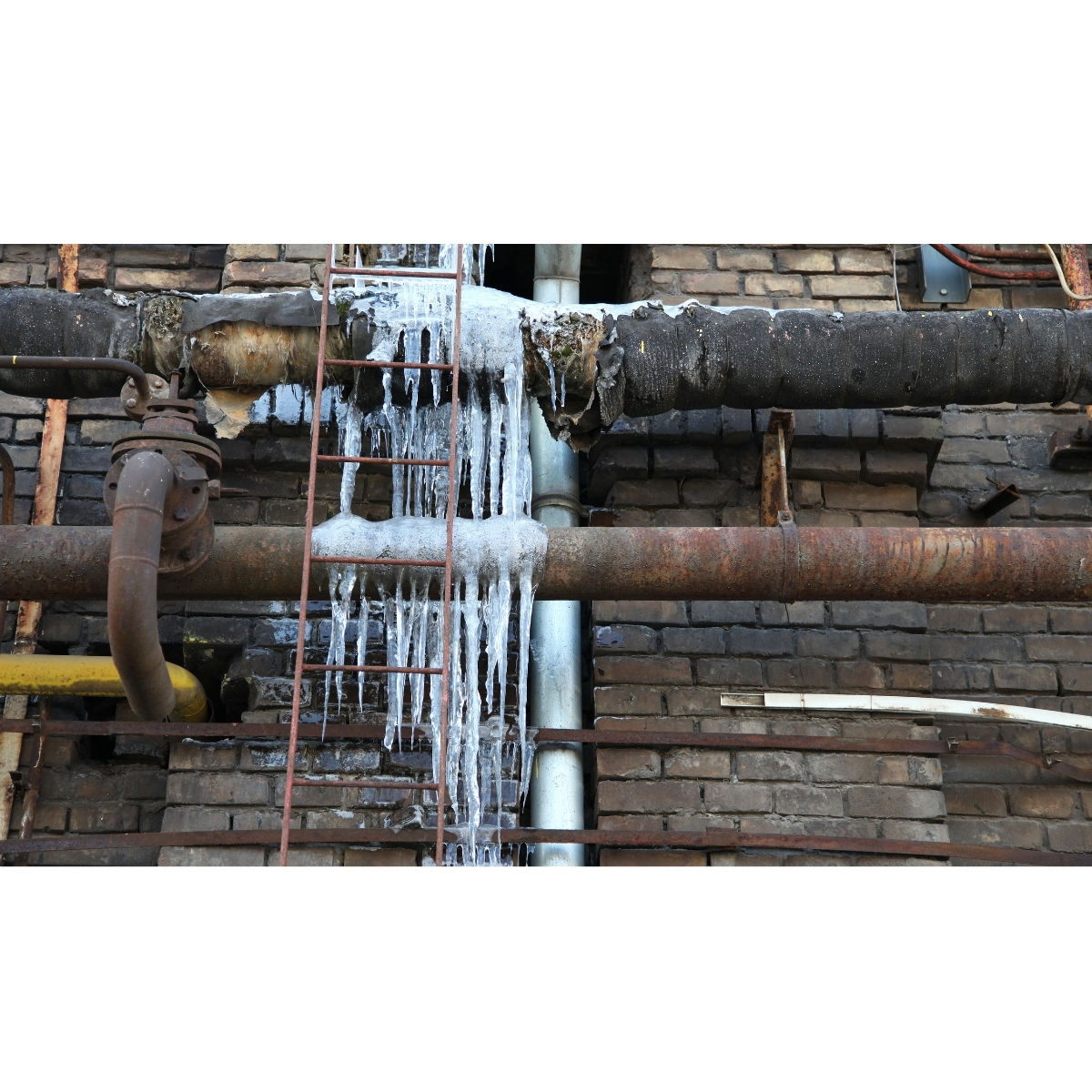
When water freezes, it expands, putting tremendous pressure on pipes. This can lead to pipe bursts, water damage, and costly repairs. Frozen pipes are hazardous for pipes near exterior walls, crawl spaces, and unheated areas like garages.
Typical Costs of Burst Pipes
The cost of fixing a burst pipe can range from hundreds to thousands of dollars, significantly if water damage impacts walls, floors, or personal belongings. Insurance may cover some of the repair costs, but it�s often better (and less stressful!) to avoid the problem in the first place with preventative measures.
How Pipes Freeze and Cause Damage
Understanding why pipes freeze can help you take the right preventive actions.
Science Behind Freezing Pipes
Water expands as it freezes, placing enormous pressure on the pipe walls. This expansion can cause pipes made of any material�metal, plastic, or even flexible PEX�to crack or burst.
Types of Pipes Most at Risk
Pipes in uninsulated or unheated areas, such as attics, basements, crawl spaces, and exterior walls, are at the highest risk of freezing. As temperatures drop, pipes in uninsulated areas need extra attention.
Top Tips to Prevent Frozen Pipes
Here are some of the most effective ways to keep your pipes safe as temperatures drop.
Insulate Exposed Pipes
Insulation is crucial for pipes in unheated areas like basements and crawl spaces. Foam pipe sleeves or insulating tape provide protection that keeps the cold out. Heat cables can also be used for added warmth.
Seal Drafts and Openings
Seal gaps or openings around windows, doors, and pipes entering the house. Cold air can seep through these cracks, especially in basements, attics, and near exterior walls, chilling pipes and increasing the risk of freezing.
Leave Faucets Dripping on Cold Nights
A slight drip can help prevent pipes from freezing by relieving pressure and keeping water moving. This is especially helpful for pipes exposed to the cold.
Use Heating Cables or Tape
Heating cables are a great way to prevent frozen pipes in cold areas, such as basements or garages. They provide a steady source of heat, reducing the risk of freezing. Just plug them in and wrap them around the pipe for extra protection.
Maintain a Stable Indoor Temperature
During freezing nights, keep your thermostat set at a consistent temperature. Avoid setting it below 60�F to ensure the warmth reaches pipes in less insulated home areas.
Winterizing Tips for Different Areas of Your Home
Preparing Pipes in the Basement and Crawl Spaces
Basements and crawl spaces are particularly vulnerable to cold temperatures. Add insulation, seal any openings, and use heat cables to protect pipes in these areas.
Tips for Attic and Exterior Wall Pipes
Pipes in attics and exterior walls are prone to freezing since they�re directly exposed to colder temperatures. Ensure proper insulation in these areas and consider relocating pipes away from exterior walls if possible.
Protecting Pipes in Garages and Outbuildings
If you have water lines running through a garage or an unheated outbuilding, keep the garage door closed and consider using portable heaters to prevent the pipes from freezing. Insulating the garage door can also make a big difference in maintaining a warmer environment.
Prepping Exterior and Outdoor Plumbing Fixtures
Disconnect and Store Hoses
Detach all garden hoses from outdoor spigots and drain them. Leaving hoses attached can trap water, increasing the risk of freezing and causing ice to return to the pipes.
Winterizing Sprinkler Systems and Pool Lines
Drain your sprinkler system and pool lines following the manufacturer�s instructions. Winterize outdoor plumbing lines to prevent freezing and expand space for water to drain out.
Protecting Exterior Faucets
Cover outdoor faucets with insulated covers. You can purchase these at any hardware store, and they provide a simple but effective way to protect faucets from freezing temperatures.
Emergency Steps if Pipes Freeze
Despite your best efforts, pipes can still freeze during severe cold snaps. Here�s what to do if you suspect a frozen pipe.
Safely Thawing Frozen Pipes
If you turn on a faucet and only a trickle of water emerges, it�s a sign of a frozen pipe. Begin by turning off the water at the main shutoff valve. Then, use a heating pad, hair dryer, or towels soaked in hot water to warm the frozen section of the pipe. Avoid using open flames or high-heat devices, as they can damage pipes.
When to Call a Professional Plumber
If you can�t locate or thaw the frozen section, it�s best to call a professional plumber. Utah Valley Plumbing can help find the issue and safely thaw pipes, minimizing further damage risk.
How to Check for and Address Leaks in Winter
Frozen pipes often lead to leaks, so regularly inspecting pipes and plumbing fixtures is crucial.
Common Leak Locations in Winter
Leaks commonly occur at joints and fittings, particularly in basements, crawl spaces, and areas where pipes run through exterior walls. Look for signs of water dripping, damp spots, or water stains.
Tips for Inspecting Pipes During Cold Weather
Inspect pipes weekly, checking for any signs of water leakage or condensation. Early detection can prevent a minor leak from turning into a costly disaster.
Winter Pipe Maintenance Checklist
To keep your pipes safe all season, follow this checklist.
Daily and Weekly Tips for Pipe Protection
- Check for leaks and signs of condensation.
- Keep indoor temperatures consistent, even when you�re not home.
- Inspect outdoor faucets and fixtures for ice formation.
Long-Term Tips for Keeping Pipes in Great Condition
- Schedule annual maintenance with a professional plumbing service.
- Update insulation in vulnerable areas every few years.
- Replace outdated or worn plumbing fixtures to prevent winter-related issues.
Local Services for Frozen Pipe Prevention in Utah and Salt Lake Counties
Trusted Plumbing Solutions in Utah Valley
Utah Valley Plumbing offers comprehensive winterization services, from pipe insulation to emergency repairs. We�re here to help you keep your home safe during the coldest months.
Benefits of Professional Winter Pipe Maintenance
With professional assistance, you can ensure that every part of your plumbing is protected. From checking your main water valve to identifying potential vulnerabilities, our experts can help you avoid winter plumbing issues.
Frequently Asked Questions
How can I tell if a pipe is frozen?
If you turn on a faucet and notice only a tiny trickle, the pipe may be frozen. Check for frost on the pipe�s exterior and listen for unusual sounds when running the faucet.
What temperature should I keep in my home to prevent freezing pipes?
To avoid freezing pipes, maintain an indoor temperature of at least 60�F, especially overnight. This will help warm air reach the colder areas of your home.
Are all types of pipes equally susceptible to freezing?
Metal pipes, particularly copper, are more susceptible to freezing than PEX, a flexible plastic pipe. However, all pipes are at risk when temperatures drop significantly.
What should I do if I find a leak in winter?
Shut off the main water supply and contact a plumber immediately. Quick action can help prevent further water damage and save you from extensive repairs.
Can I use DIY insulation methods effectively?
DIY methods like foam sleeves or heating tape can be effective for smaller areas. However, it is best to consult a professional for larger jobs or pipes in hard-to-reach areas.
Protect Your Pipes and Avoid Winter Water Damage
Taking these steps can prevent frozen pipes and protect your home from the damage and stress caused by winter plumbing issues. With some planning and preparation, you can enjoy peace of mind knowing your pipes are safe from winter�s chill. For any questions or to schedule a winterization service, contact Utah Valley Plumbing�we�re here to help you keep your home warm and worry-free this winter.