

Winter often brings its own unique plumbing challenges. Cold temperatures can damage your plumbing system, leading to frozen pipes, burst pipes, water heater issues, and more. Here, we�ll discuss the most common winter plumbing issues homeowners face, preventive tips to protect your plumbing, and how Utah Valley Plumbing can help you stay prepared.
Preventing and Thawing Frozen Pipes in Cold Weather
Causes of Frozen Pipes in Cold Climates
Frozen pipes are one of the most common and damaging winter plumbing issues. Water in your pipes can freeze when temperatures drop, especially below freezing. Ice expansion within pipes creates pressure, leading to potential cracks or bursts. Pipes in unheated areas, such as basements, attics, crawl spaces, and exterior walls, are especially vulnerable.
Symptoms of Frozen Pipes in Homes
Signs of a frozen pipe include reduced water flow or no water from faucets, unusual sounds like clanking or gurgling, and visible frost on exposed pipes. Due to regional weather conditions, homeowners in Utah, particularly in colder areas like Salt Lake City or Provo, are more likely to face this issue.
Quick Tips for Thawing Frozen Pipes Safely
If you suspect a frozen pipe, open the faucet connected to it and apply gentle heat using a hair dryer or heating pad. Avoid open flames or high-heat sources, as they can damage pipes. Keeping faucets open allows melting ice to drain, relieving pressure on the pipe.
How Frozen Pipes Affect Utah Homes
For Utah homeowners, especially in Salt Lake and Utah Counties, freezing temperatures can lead to extensive water damage. Unheated garages, basements, or pipes along exterior walls are especially vulnerable. Preparing your plumbing system for winter weather is essential to avoid costly repairs.
Burst Pipes Due to Pressure Buildup
Why Burst Pipes are Common in Winter
Burst pipes are often a consequence of frozen pipes. When frozen pipes thaw, the pressure from water trapped behind ice can force the pipe to burst, resulting in water leaks, flooding, and property damage. Old or corroded pipes are even more likely to burst under these pressures.
Signs a Pipe is at Risk of Bursting
Early indicators include visible frost, unusual sounds, or fluctuating water pressure. If you notice damp spots on walls, ceilings, or floors, they may indicate a leak from a burst pipe.
Steps to Prevent Pipe Bursts During Extreme Cold
Insulating exposed pipes, maintaining a steady indoor temperature, and allowing a slight drip from faucets during extreme cold can prevent bursts. These steps keep water moving and reduce freezing risks.
Emergency Response: What to Do When a Pipe Bursts
If a pipe bursts, shut off your main water valve immediately to prevent further damage. Next, drain faucets to relieve pressure, then call a professional plumber. Quick action minimizes water damage and costly repairs.
Water Heater Issues in Cold Weather
Common Winter Water Heater Problems
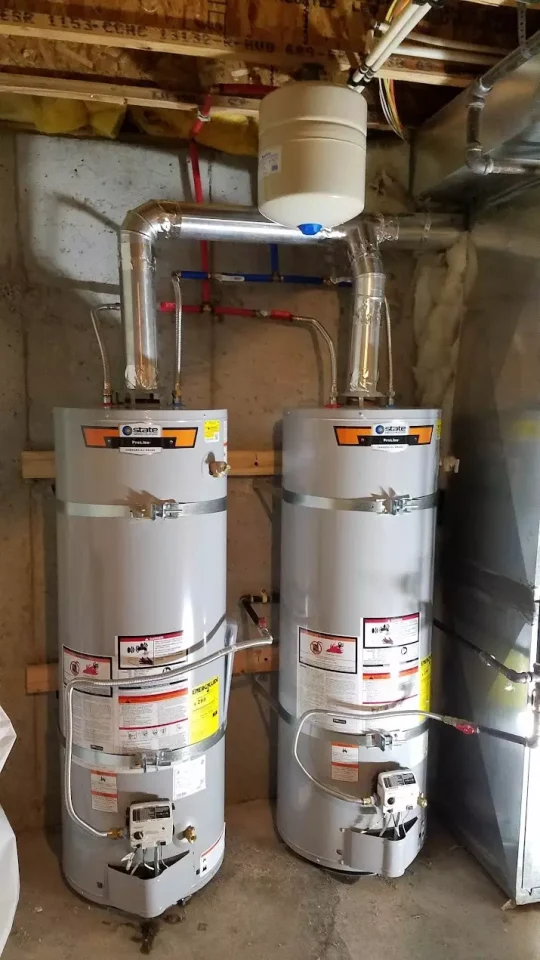
In winter, water heaters work harder as incoming water is colder. This can lead to issues like sediment buildup, which makes it harder for your heater to reach and maintain high temperatures. Older units are especially prone to these problems.
Troubleshooting Cold Showers and Limited Hot Water
If you notice colder showers or insufficient hot water, your water heater might need attention. Start by checking the thermostat and ensuring it�s set to an appropriate temperature (typically around 120�F). Sediment buildup can also contribute to these issues; flushing the water heater annually helps reduce buildup.
Seasonal Maintenance Tips for Water Heaters
Regular water heater maintenance is essential, especially during winter. Flush your tank to remove sediment, inspect for rust or leaks, and ensure components like the heating element function properly. For added efficiency, insulate your water heater.
When to Call a Plumber for Water Heater Issues
If you experience leaks or inconsistent temperatures, or your heater is over 10 years old, it might be time for professional help. Utah Valley Plumbing can inspect your water heater and recommend repairs or replacement, ensuring you have hot water all winter.
Drain Clogs Due to Grease and Cold Weather
How Cold Weather Increases Clogs
The colder temperatures make grease and fat from food preparation harder, leading to clogs as they cool and solidify in pipes. This is especially common during holiday seasons when cooking increases, and pipes work overtime to handle additional waste.
Everyday Household Items That Worsen Drain Clogs
Items like grease, coffee grounds, eggshells, and fibrous foods should be avoided in sinks. Cold weather causes these substances to build up and clog pipes faster.
Safe Methods to Clear Winter Drain Clogs
Avoid chemical drain cleaners, as they can damage pipes over time. Instead, use hot water, dish soap, a plunger, or a drain snake to clear minor clogs safely.
Preventive Tips to Avoid Winter Drain Problems
Run hot water after using the sink to prevent buildup. If you have a garbage disposal, ensure it�s regularly cleaned, and avoid pouring grease or oils down the drain. Installing drain screens can also help prevent food waste from clogging pipes.
Outdoor Faucet and Hose Problems
Why Outdoor Faucets Freeze
Outdoor faucets and hoses are among the first plumbing components to freeze as temperatures drop. Water trapped inside hoses and faucet pipes freezes, expanding and risking pipe damage.
Disconnecting and Storing Garden Hoses
Always disconnect garden hoses before winter sets in. Store hoses in a dry area, and drain any water to prevent residual freezing.
Protecting Outdoor Faucets with Insulation
Faucet covers, and pipe insulation sleeves provide extra protection. Additionally, turning off the outdoor faucet�s water supply and draining residual water minimizes freezing risks.
Repairing Outdoor Faucets Damaged by Winter Freezing
If your outdoor faucet shows signs of leaking or damage, it may need to be replaced. Ignoring these issues can lead to more severe pipe damage when temperatures fluctuate.
How Winter Affects Utah Plumbing Systems
Understanding Regional Winter Plumbing Risks
Utah�s winters bring low temperatures that can freeze pipes, leading to plumbing problems. Homes in regions like Salt Lake City are particularly prone to winter plumbing issues due to fluctuating temperatures.
Why Homes in Salt Lake and Utah Counties Need Extra Precautions
Since Utah homes often experience below-freezing temperatures, they require extra insulation, regular inspections, and preventive measures to ensure plumbing systems withstand cold snaps.
Winter Weather and Water Damage Risks for Local Homeowners
Frozen pipes, burst pipes, and leaks can lead to costly water damage. By winterizing your plumbing, you protect your home from avoidable water damage.
Emergency Tips for Handling Winter Plumbing Issues
Immediate Steps to Take if Pipes Freeze
If you suspect frozen pipes, shut off the water supply to prevent burst pipes. Use gentle heat sources, like a hair dryer, to thaw frozen sections and open faucets to relieve pressure.
How to Use Space Heaters and Hair Dryers Safely
Never leave these devices unattended, and keep them away from flammable materials. Avoid direct contact between heating devices and pipes, as high heat can damage pipes.
When to Shut Off Your Home�s Water Supply
If you experience severe freezing, consider shutting off your home�s main water supply to prevent damage from burst pipes.
Contacting a Professional for Emergency Repairs
If thawing pipes yourself isn�t an option, or if you discover a leak, contact a plumber immediately. Utah Valley Plumbing offers emergency services for winter plumbing issues.
Winterizing Your Plumbing System
Key Steps to Winterize Your Home Plumbing
Winterizing involves insulating exposed pipes, shutting off and draining outdoor faucets, and keeping the indoor temperature stable. These steps are crucial to prevent winter plumbing issues.
Insulating Pipes in Basements, Attics, and Crawl Spaces
Protect areas that are particularly exposed to outside temperatures with pipe insulation sleeves, heat cables, or even towels.
Simple DIY Insulation Options for Outdoor Fixtures
Most hardware stores sell inexpensive insulation options, such as faucet covers and foam pipe wraps. These can be easily installed on outdoor fixtures to prevent freezing.
Benefits of Regular Plumbing Inspections
Annual plumbing inspections can help identify weak points in your system. Utah Valley Plumbing�s inspection services allow homeowners to catch issues before they become winter problems.
When to Contact a Professional Plumber
Knowing When a Problem Requires Expert Help
If your DIY efforts don�t resolve an issue, or if you see significant damage, call a professional. Delaying repairs can lead to extensive water damage.
How Plumbers Can Prevent Long-Term Water Damage
Professional plumbers have the tools and expertise to make lasting repairs, reducing the risk of recurring issues or water damage.
Tips for Finding Reliable Plumbing Services in Utah Valley
Look for licensed, insured plumbers with good customer reviews. Local companies like Utah Valley Plumbing specialize in Utah�s winter plumbing needs and can provide preventive maintenance and emergency services.
Seasonal Maintenance Tips for Preventing Plumbing Issues
Recommended Seasonal Checks for Utah Homeowners
Check for leaks, insulate pipes, and clear drains regularly. These steps prevent costly plumbing issues during winter.
Benefits of Annual Inspections
A yearly inspection identifies any vulnerabilities in your plumbing system and keeps it in optimal condition, reducing the likelihood of winter damage.
Affordable Ways to Protect Your Plumbing in Winter
Simple DIY fixes like insulating pipes and using faucet covers are budget-friendly ways to winterize. Investing in professional inspection and maintenance can also save you money on repairs.
Essential Tools and Supplies for Winter Plumbing Care
Insulating Tape, Pipe Covers, and More
Foam pipe insulation, insulating tape, and faucet covers are inexpensive yet effective winterizing tools.
Tools for DIY Repairs During Cold Spells
Keep a hair dryer, space heater, and pipe wrench on hand for minor repairs. These items help thaw pipes safely when they freeze.
Recommended Products for Preventing Pipe Bursts and Freezing
Heat cables, thermostatic mixing valves, and pipe sleeves help prevent freezes. These are readily available and can be installed with minimal effort.
FAQs on Winter Plumbing Problems
- How can I tell if my pipes are frozen?
- If only a trickle of water comes out when you turn on the faucet, your pipes may be frozen.
- What should I do if my outdoor faucet freezes?
- Shut off the water supply, and use a hair dryer to thaw it. If that doesn�t work, contact a plumber.
- Can I prevent my water heater from failing in winter?
- Yes, with regular maintenance, such as flushing out sediment and insulating the heater, you can prevent winter water heater issues.
- Does homeowners insurance cover burst pipes?
- Most policies cover water damage from burst pipes, but check your policy for specifics.
- What should I do if I don�t have water during a cold snap?
- This could be due to frozen pipes. Open faucets, apply gentle heat to exposed pipes and contact a plumber if the issue persists.
Winter can be harsh on your home�s plumbing system, but with the proper preparation and maintenance, you can prevent most problems. From insulating pipes to keeping a close eye on your water heater, these steps keep your plumbing safe. For assistance with winterizing your system or handling emergencies, contact Utah Valley Plumbing.