
A water heater is an indispensable appliance in any Utah home, delivering hot water for daily essentials like showers, baths, dishwashing, and laundry. However, its operation involves potentially dangerous elements like gas, high pressure, and extreme temperatures. This necessitates a strong emphasis on safety to prevent accidents, injuries, and property damage. This comprehensive guide will delve deeply into crucial aspects of water heater safety, expanding on proper ventilation, leak detection, common and uncommon mistakes to avoid, and region-specific considerations for Utah homeowners.

Part 1: Understanding Water Heater Ventilation in Utah
Proper ventilation is critical for the safe operation of gas water heaters, especially here in Utah, where we have varied altitudes and temperatures. Correct ventilation prevents the buildup of carbon monoxide (CO), a colorless, odorless, and deadly gas that can cause severe health issues or even fatalities.
1.1 Understanding Your Venting System:
- Draft Hood: This component, situated at the top of the water heater, draws in air to aid combustion and directs exhaust gases into the vent pipe.
- Vent Pipe: This pipe carries the exhaust gases from the draft hood to the chimney or directly outside. Traditional vent pipes are metal (aluminum or galvanized steel) and must be kept at proper distances from combustible materials. Higher efficiency appliances may be vented with plastic pipes. Plastic and metal systems should never be combined.
- Metal Flue: A metal flue, typically shared with other appliances, is used to convey exhaust gasses to the outside. This type of flue does not require the appliance to have a fan to expel the exhaust.
- Power Vent: For homes without traditional venting, a power vent water heater uses an electric fan and plastic piping to expel exhaust gases, offering more installation flexibility, but also requires power for the fan.
- Concentric Vent: Some high-efficiency water heaters use a concentric vent system where the exhaust pipe is contained within a larger pipe that draws in fresh air for combustion. This type of vent maximizes the efficiency of the appliance by using the heat from the exhaust to preheat the air for combustion improving combustion efficiency.
1.2 Regular Inspection and Maintenance:
- Visual Checks: At least twice a year, visually inspect your venting system. Look for:
- Rust or Corrosion: Reddish-brown discoloration or flaking on the vent pipe indicates potential breaches.
- Gaps or Disconnections: Ensure all joints are tightly connected, and there are no gaps where gases can escape.
- Obstructions: Check for bird nests, debris, or other blockages in the vent opening.
- Backdrafting: Light a match near the draft hood while the water heater operates. The flame should be drawn into the hood. If it flickers or blows outward, you have a back-drafting issue.
- Professional Inspection: Schedule an annual inspection by a licensed plumber who can perform a more thorough evaluation, including a combustion analysis, to ensure proper venting and gas combustion efficiency.
1.3 The Importance of Professional Installation:
- Code Compliance: A licensed plumber will ensure that your water heater is installed according to Utah’s specific building codes and safety regulations, which vary by location and altitude.
- Proper Vent Sizing and Routing: Incorrect vent size or improper routing can impede exhaust flow, leading to CO buildup which can create health hazards in the home.
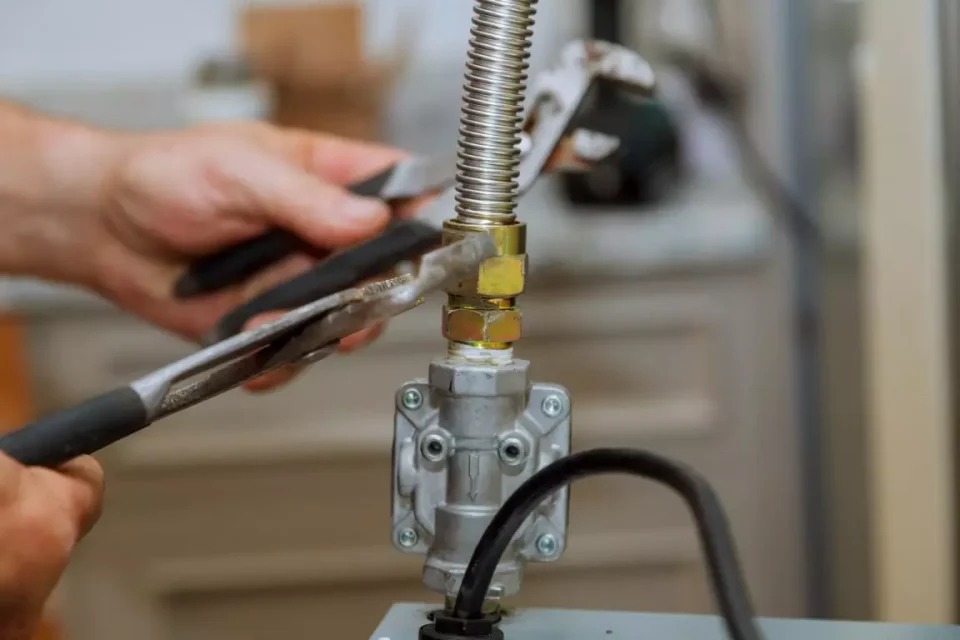
- Gas Line Connections: Professional installation ensures correctly sized and safe leak-free gas line connections.
1.4 Common Ventilation Mistakes and How to Avoid Them:
- Mistake 1: DIY Venting Modifications: A homeowner, attempting to reconfigure their basement, decides to extend the vent pipe using flexible ducting from a hardware store.
- Why it’s wrong: Flexible ducting is not approved for water heater venting. It can easily sag, kink, or develop leaks. The bends and incorrect material impede exhaust flow, causing back drafting.
- How to avoid it: Before modifying your venting system, always consult a licensed plumber. They will use approved materials and ensure proper installation.
- Mistake 2: Obstructed Vent Termination: If homeowners don’t regularly clear their roofs, leaves and debris can accumulate around the chimney cap, partially blocking the vent.
- Why it’s wrong: The blockage restricts exhaust flow, forcing combustion gases back into the home.
- How to avoid it: Regularly inspect and clean around your chimney cap or vent termination point, especially after storms or during periods of heavy leaf fall.
- Mistake 3: Ignoring Backdrafting Signs: A homeowner notices that the pilot light on their water heater keeps going out, but they simply relight it without investigating further.
- Why it’s wrong: A pilot light that frequently goes out can indicate back-drafting or improper combustion, a potential CO hazard.
- How to avoid it: If your pilot light repeatedly goes out, contact a plumber immediately to diagnose and resolve the issue.

Part 2: Leak Detection and Prevention: Protecting Your Utah Home
Water heater leaks can cause significant water damage to your Utah home, leading to costly repairs, mold growth, and even structural issues. Early detection and preventative measures are crucial.
2.1 Visual Inspection – Your First Line of Defense:
- Water Pooling: The most obvious sign of a leak is water accumulating around the water heater’s base.
- Dripping or Spraying: Inspect the tank, pipes, and connections for any signs of dripping water or a fine spray.
- Rust or Corrosion: Rust on the tank, especially near the bottom, can indicate a slow leak or internal corrosion that eventually leads to a leak.
- Dampness or Water Stains: Check the walls and floor around the water heater for dampness or stains, which may indicate a slow leak.
- Vent Adaptor: Check the vent adaptor or draft hood for discoloration, melted plastic near the water inlet and outlet.
2.2 Beyond Visual Inspection:
- Listen to your Water Heater: A water heater that suddenly becomes noisy is usually trying to tell you that there is a problem. Popping or banging sounds are indicators that there is a problem that could lead to failure if not properly addressed. A hissing sound can indicate water leaking under pressure, even if you don’t see a visible leak.
- Check Your Water Bill: An unusually high water bill can indicate a hidden leak, including a water heater leak.
- Odor Test: A water heater that suddenly smells hot, humid, or smells like natural gas is an indication of an imminent problem, consult with a professional immediately.
2.3 Key Components to Monitor:
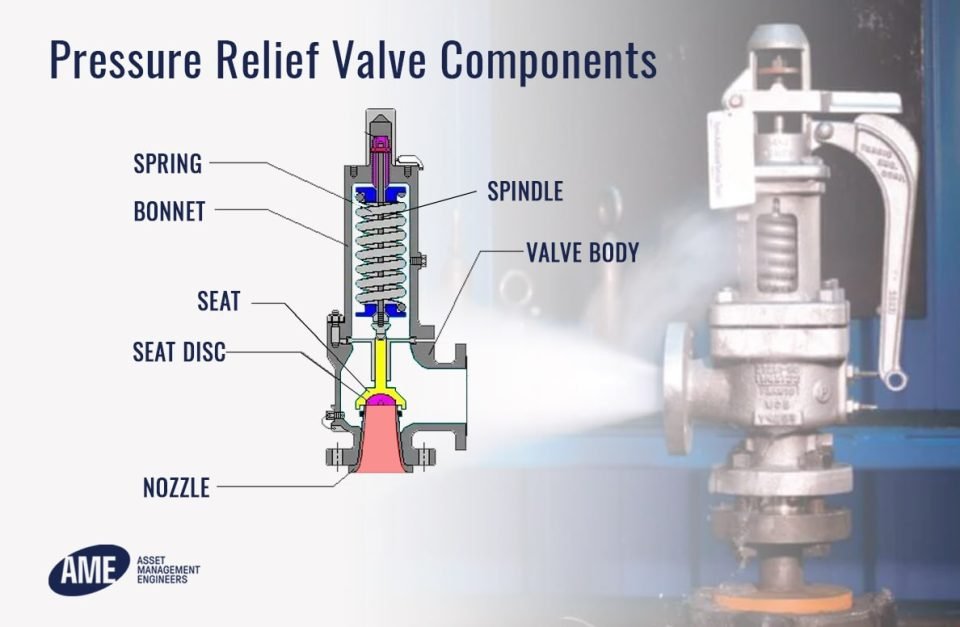
- Temperature and Pressure Relief (T&P) Valve: This safety valve releases water if the temperature or pressure inside the tank exceeds safe limits.
- Testing: Carefully lift the lever on the T&P valve at least once a year. Hot water should flow freely from the discharge pipe. If it doesn’t, or if the valve drips after you release the lever, replace it immediately.
- Discharge Pipe: Ensure the discharge pipe is installed correctly and directs water to a safe location, such as a floor drain.
- Anode Rod: This sacrificial rod attracts corrosive elements in the water, protecting the tank from corrosion.
- Inspection: Have your plumber inspect the anode rod during annual maintenance.
- Replacement: Depending on the water quality, the anode rod should be replaced when it is significantly depleted, typically every 3-5 years.
- Drain Valve: This valve at the bottom of the tank is used for flushing sediment.
- Inspection: Check for leaks around the drain valve.
- Tightening: If you find a leak, try gently tightening the valve. If it continues to leak, replace it.
2.4 Common Leak-Related Mistakes and How to Avoid Them:
- Mistake 1: Ignoring a Dripping T&P Valve: A homeowner notices their T&P valve is occasionally dripping but dismisses it as normal.
- Why it’s wrong: A continuously dripping T&P valve can indicate excessive pressure or temperature in the tank, a faulty valve, or a problem with the expansion tank.
- How to avoid it: Never ignore a dripping T&P valve. Contact a plumber to diagnose the cause and replace the valve if necessary.
- Mistake 2: DIY T&P Valve Replacement: A homeowner decides to replace their leaking T&P valve using a valve they purchased online.
- Why it’s wrong: T&P valves are calibrated to specific temperature and pressure settings. Using an incorrect valve can compromise the safety of your water heater.
- How to avoid it: Always have a licensed plumber replace your T&P valve to ensure the correct valve is used and properly installed.
- Mistake 3: Neglecting Anode Rod Replacement: A homeowner has never had their anode rod inspected or replaced, and after 10 years, their water heater tank rusts through, causing a significant leak.
- Why it’s wrong: The anode rod prevents tank corrosion. Neglecting its replacement can significantly shorten the lifespan of your water heater.
- To avoid it, Have your plumber inspect and replace the anode rod during your annual water heater maintenance.
- Mistake 4: Using Drain Valve Improperly: A homeowner tries to flush their tank by opening the drain valve fully, causing a surge of water that damages the valve and creates a leak.
- Why It’s Wrong: Excessive force or opening the drain valve too quickly can damage it.
- How To Avoid It: Open the drain valve slowly and carefully when flushing. Connect a hose to direct the water to a suitable drain.
Part 3: Avoiding Common and Uncommon Water Heater Mistakes in Utah
Beyond ventilation and leaks, many other mistakes can compromise the safety and efficiency of your water heater.
3.1 Maintenance Neglect:
- Why it’s a problem: Skipping regular maintenance is like neglecting to change the oil in your car. It leads to decreased efficiency, premature wear and tear, and a higher risk of breakdowns and safety hazards.
- Solution: Schedule annual maintenance with a qualified plumber. This should include:
- Venting system inspection
- T&P valve testing
- Anode rod inspection and replacement (as needed)
- Sediment flushing
- Gas burner cleaning (for gas models)
- Overall system check
3.2 Ignoring Strange Noises:
- Popping or Rumbling: This often indicates sediment buildup in the tank. The sediment insulates the bottom of the tank, forcing the burner to work harder and overheat the water, which can cause the popping noise as steam bubbles form.
- Banging or Hammering: This can be caused by water hammer, a sudden pressure surge that occurs when water flow is abruptly stopped.
- Screeching or Whistling: This may indicate a problem with the burner, a failing valve, or a pressure issue.
- Solution: Don’t ignore unusual noises. Contact a plumber to diagnose the cause and perform necessary repairs.
3.3 Incorrect Temperature Setting:
- Too High: Setting the thermostat above 120°F increases the risk of scalding, especially for children and older people. It also wastes energy and can shorten the lifespan of your water heater.
- Too Low: While saving energy, setting the temperature too low (below 120°F) can create an environment for bacteria growth, including Legionella, which causes Legionnaires’ disease.
- Solution: Set your water heater thermostat to 120°F. This provides a safe and comfortable water temperature while minimizing risks. Use a thermometer to verify the actual water temperature at the tap.
3.4 Ignoring Sediment Buildup:
- Why it’s a problem: Sediment, primarily calcium and magnesium minerals, accumulates at the bottom of the tank. It reduces efficiency, increases energy consumption, and can lead to premature tank failure. It is especially common in areas with hard water, like many parts of Utah.
- Solution: Flush your water heater tank at least once a year or more frequently if you have hard water.
- Procedure:
- Turn off the gas or electricity and turn it off on the water heater.
- Turn off the cold water supply valve.
- Connect a garden hose to the drain valve.
- Open the drain valve and a hot water faucet to allow air in as the tank drains.
- Once the water runs clear, close the drain valve, refill the tank, and turn the power back on.
- Procedure:
3.5 Flammable Materials Near the Water Heater:
- Why It’s a Problem: Storing flammable materials like paint, gasoline, cleaning supplies, or paper near a gas water heater creates a serious fire hazard.
- To avoid it, Maintain a clear zone of at least 3 feet around your water heater, free of combustible materials.
- Example: A homeowner stores old newspapers and paint thinner in the same closet as their gas water heater. A small gas leak ignites the flammable vapors, causing a fire.
3.6 Overlooking the Expansion Tank
- Why it’s a problem: An expansion tank is a small tank connected to your water heater. It absorbs the extra volume of water created when heated, preventing excessive pressure buildup in the main tank. The increased pressure can strain the water heater and pipes without a functioning expansion tank, leading to leaks or even a tank rupture.
- How to avoid it: Have a licensed plumber install an expansion tank if your system doesn’t have one. Also, have the plumber check the expansion tank’s air pressure during annual maintenance. It should be equal to the water pressure in your home.
- Example: A homeowner recently installed a new water heater, but the installer didn’t add an expansion tank. Over time, the constant pressure fluctuations weaken the tank seams, eventually causing a leak.
Part 4: Utah-Specific Considerations and Advanced Safety Tips
4.1 Hard Water:
- Impact: Utah is known for having hard water in many areas. This means the water contains high levels of calcium and magnesium, which accelerate sediment buildup in water heaters.
- Solutions:
- More Frequent Flushing: Flush your tank every 6 months if you have hard water.
- Water Softener: Consider installing a water softener to reduce mineral content and extend the lifespan of your water heater.
4.2 Altitude:
- Impact: Higher altitudes can affect the combustion process in gas water heaters.
- Solution: Ensure your water heater is properly adjusted for your specific altitude. A licensed plumber can make the necessary adjustments during installation or maintenance.
4.3 Earthquake Preparedness:
- Impact: Utah is in a seismically active zone. Earthquakes can damage water heaters, causing gas leaks or water damage.
- Solution:
- Secure Your Water Heater: Use approved seismic straps to secure your water heater to the wall studs. This will help prevent it from tipping over during an earthquake.
- Flexible Gas Connector: Use a flexible gas connector instead of a rigid pipe. This will allow for some movement during an earthquake, reducing the risk of a gas leak.
4.4 Energy Efficiency:
- Upgrade: Consider upgrading to a high-efficiency water heater, such as a tankless or heat pump model. These models can significantly reduce energy consumption and save you money on utility bills.
- Insulation: Insulate your hot water pipes to reduce heat loss, especially in unheated areas like basements or crawl spaces.
4.5 Carbon Monoxide Safety
- Install Detectors: Install UL-listed carbon monoxide detectors on each level of your home and outside sleeping areas, including near the water heater.
- Test Regularly: Test your CO detectors monthly and replace the batteries annually.
- Know the Symptoms: Familiarize yourself with the symptoms of CO poisoning, which include headache, dizziness, nausea, shortness of breath, and confusion.
- Emergency Plan: Have an emergency plan in case your CO detector alarms. This should include evacuating the home immediately and calling 911 or your local emergency number.
4.6 Vacation Precautions:
- Turn Off the Water Heater: If you’re going on vacation, turn off your water heater to save energy and prevent potential problems while away. You can either turn off the gas or electricity supply or set the thermostat to the lowest setting (often labeled “vacation” or “pilot”).
- Shut Off Water Supply: Consider shutting off the main water supply valve to your home to prevent water damage from leaks while you are away.
Conclusion:
Water heater safety is not a topic to be taken lightly. By understanding the potential hazards, implementing preventative measures, and staying vigilant about maintenance, you can significantly reduce the risk of accidents and ensure your water heater’s safe and efficient operation for years to come. This comprehensive guide has equipped you with the knowledge and specific steps to protect your Utah home and family. Remember, when in doubt, always consult a licensed plumber. Their expertise is invaluable in ensuring the safety and longevity of your water heater.