
The Secret to Efficient Water Use in Commercial Buildings
Water is a vital resource, and managing its use efficiently is crucial for businesses, especially in Utah and Salt Lake Counties, where water conservation is more important than ever. As the owner of Utah Valley Plumbing, we understand how optimizing water use can lead to significant savings and sustainability benefits. This article will guide you through the secrets of efficient water use in commercial buildings, offering actionable tips and strategies to reduce water consumption without compromising daily operations.
Understanding the Importance of Water Efficiency
Efficient water use in commercial buildings is not just about cutting costs—it’s also an essential element of environmental stewardship. Water is a finite resource, and businesses have a role in preserving it for future generations. Here’s why water efficiency matters:
- Environmental Impact: Reduced water usage means less strain on local water supplies, particularly in Utah’s arid climate. It also minimizes the energy needed to treat and pump water, reducing the building’s carbon footprint.
- Financial Savings: Businesses can significantly lower their water bills by reducing waste. Although water-efficient technologies require an upfront investment, they pay off in the long term with lower operating costs.
- Compliance and Image: Adopting water-saving practices can help businesses comply with local regulations and bolster their image as environmentally conscious organizations, appealing to eco-minded customers and stakeholders.
Common Water Wastage Problems in Commercial Buildings
Water wastage can creep up in unexpected areas of a commercial property, from old plumbing fixtures to poorly maintained landscaping systems. Here are some of the most common culprits:
- Leaky Faucets and Outdated Plumbing Systems: A small drip from a leaky faucet can waste over 3,000 gallons of water annually. Outdated or corroded pipes may also cause hidden leaks.
- Inefficient Irrigation Systems: Overwater or leak sprinklers can waste substantial water, especially during Utah’s dry summer months.
- High-Flow Fixtures in Restrooms: Many commercial buildings still use traditional fixtures like toilets and faucets that use more water than necessary. Upgrading these fixtures can immediately reduce water use.
Addressing these issues can be a significant first step in a commercial building’s water efficiency journey.
Benefits of Improving Water Use Efficiency
Why should businesses prioritize water efficiency? The benefits extend beyond just reducing water bills:
- Cost Savings: Lower water consumption translates directly into lower utility bills. Additionally, less water usage means less wastewater, which can reduce sewage costs.
- Sustainability Commitment: Implementing water-saving measures can help businesses meet their sustainability goals. It also positions them as leaders in environmental responsibility, which can appeal to clients and customers.
- Improved Public Image: Customers are increasingly choosing businesses that prioritize sustainable practices. Companies can enhance their brand’s reputation by highlighting efforts to save water.
How to Assess Water Usage in Your Commercial Building
Before making improvements, it’s crucial to understand where and how much water is being used. Conducting a water audit can help identify opportunities for savings. Here’s how to get started:
- Conducting a Water Audit: A water audit involves evaluating current water use patterns in your building, from restrooms to landscaping. Professional audits by experts like Utah Valley Plumbing can provide a detailed analysis and recommendations.
- Using Technology for Monitoring: Smart water meters and data analytics can track water consumption in real time, helping identify spikes in usage that may indicate leaks.
- Smart Water Meters: Installing smart water meters allows businesses to monitor water use patterns closely, making it easier to spot inefficiencies and adjust usage accordingly.
Top Strategies for Efficient Water Use in Commercial Buildings
Once you’ve assessed your water use, it’s time to implement strategies to reduce consumption. Here are some of the best practices for achieving efficient water use:
Upgrading to Low-Flow Fixtures
Switching to low-flow fixtures can make a huge difference in water usage. Here’s a look at some standard upgrades:
- Low-Flow Faucets: These use aerators to maintain pressure while using less water, making them ideal for restrooms.
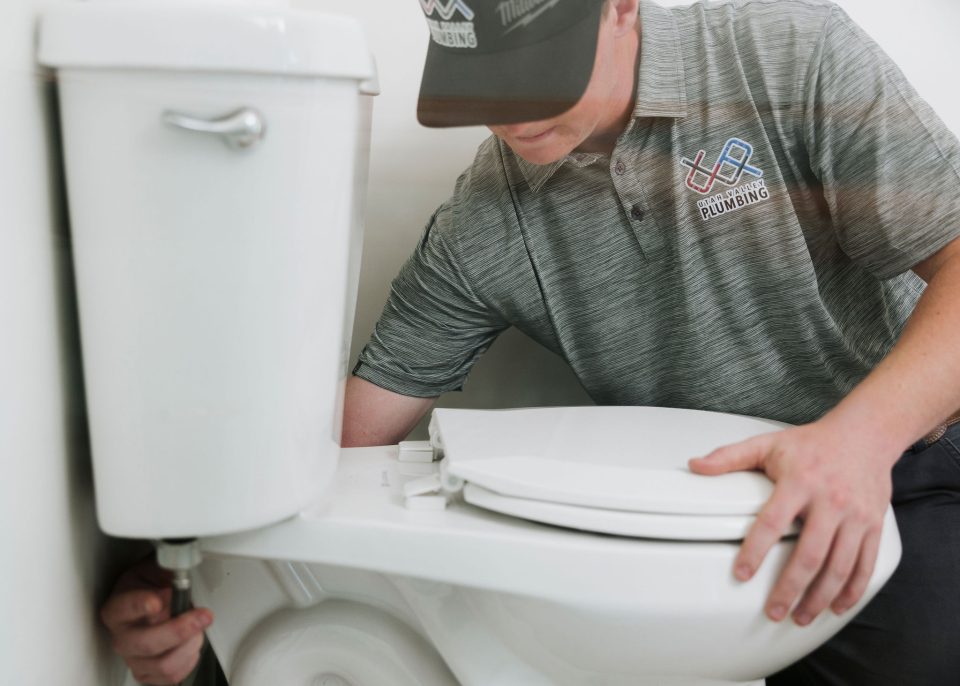
- Dual-flush toilets allow users to choose a low-volume flush for liquid waste, saving significant water over time.
- Low-Flow Showerheads: These fixtures can reduce water use by nearly 50% without sacrificing user comfort for facilities with showers.
Investing in these upgrades can yield quick paybacks and reduced utility bills.
Implementing Smart Irrigation Systems
Landscaping is often one of the largest water consumers in commercial properties. Intelligent irrigation systems can optimize water use by adjusting schedules based on weather conditions:
- Benefits of Smart Irrigation: These systems can reduce water waste by watering only when needed and adjusting to changes in weather patterns. In Utah’s climate, this is particularly valuable during dry spells.
- Best Practices for Watering: Watering during the early morning or late evening reduces evaporation. Drip irrigation systems deliver water directly to the plant roots, minimizing waste.
Leak Detection and Maintenance Tips
Leaks are a significant source of water waste in commercial buildings. Regular maintenance and inspections can help catch leaks before they become costly problems:
- How to Identify Hidden Leaks: Monitor your water meter for unexplained increases in usage. A spike could indicate a hidden leak in the plumbing.
- Preventive Maintenance Plans: Regular inspections by professional plumbers can keep your system in top shape, prevent leaks, and maintain efficiency.
Case Studies: Water Efficiency Success Stories
To understand the real impact of efficient water use, let’s look at some local businesses in Utah that have implemented water-saving strategies:
- Example 1: A Salt Lake City Office Building: After upgrading to low-flow fixtures and implementing an intelligent irrigation system, the building reduced its water use by 30%, saving over $10,000 annually.
- Example 2: A Provo Retail Store: By conducting a water audit and fixing leaks, this store cut its water use by 20%, enhancing its sustainability credentials and reducing operating costs.
These examples highlight how relatively simple changes can yield significant savings and benefits.
Partnering with Water Efficiency Experts
Changing your water usage can be complex, so partnering with professionals is beneficial. At Utah Valley Plumbing, we provide services that include:
- Water Audits: Comprehensive assessments to identify inefficiencies.
- Installation of Water-Saving Fixtures: Upgrading your building’s plumbing to reduce water waste.
- Maintenance Services: Regular checks to ensure your plumbing remains in top condition.
Financial Incentives for Water-Saving Upgrades
In Utah, businesses can take advantage of various incentives for water-efficient upgrades, making it easier to invest in sustainability:
- Local Rebates: Many utilities offer rebates for installing water-saving fixtures like low-flow toilets and intelligent irrigation systems.
- State and Federal Tax Incentives: Certain upgrades may qualify for state or federal tax deductions, reducing the upfront costs of these improvements.
Exploring these options can make water-saving projects even more affordable.
Best Practices for Employee Engagement in Water Conservation
Engaging your employees in water-saving efforts can significantly enhance the effectiveness of your strategies:
- Education and Awareness: Provide training on simple actions like turning off taps properly and reporting leaks.
- Incentives for Conservation: Recognize and reward departments that actively reduce water usage, creating a culture of conservation.
Monitoring and Sustaining Water Efficiency Over Time
Achieving water efficiency is not a one-time effort. Ongoing monitoring ensures long-term success:
- Using Data to Track Trends: Regularly review water usage data to identify new opportunities for savings.
- Scheduled Maintenance: Plan routine inspections to prevent future leaks and maintain the efficiency of installed fixtures.
Future Trends in Water Conservation for Commercial Buildings
Looking ahead, businesses can expect to see new tools for managing water use:
- Emerging Technologies: AI and IoT devices can predict maintenance needs before leaks occur, helping maintain efficiency.
- Predictive Analytics: This technology can optimize water use patterns, reducing consumption.
Conclusion: Start Your Water Efficiency Journey Today
Water efficiency offers environmental and financial benefits, making it a wise investment for any business. At Utah Valley Plumbing, we are here to help you every step of the way—from conducting audits to installing the latest water-saving technology. Contact us today to begin your journey towards more efficient water use in your commercial building.
FAQs on Efficient Water Use in Commercial Buildings
What are the most effective ways to reduce water use in a commercial building? Upgrading to low-flow fixtures, conducting regular maintenance, and using innovative irrigation systems are some of the most effective strategies.
How can a water audit benefit my business? A water audit identifies areas where your building can save water, helping reduce costs and improve efficiency.
How often should commercial plumbing systems be inspected? It’s recommended that they be checked at least once a year to detect leaks and maintain efficiency.
What types of water-saving fixtures are best for businesses? Low-flow faucets, dual-flush toilets, and innovative irrigation systems are ideal for reducing water use in commercial settings.
Are there any government rebates for water-efficient upgrades in Utah? Yes, many local utilities and government programs offer rebates for businesses that invest in water-saving technology.