
Many homeowners look forward to their gas fireplaces’ warmth and ambiance as the colder months approach. However, before igniting your fireplace for the season, it’s crucial to ensure it’s properly prepared to operate safely and efficiently. This guide, brought to you by the experts at Utah Valley Plumbing, provides a detailed, five-step process for thoroughly winterizing your gas fireplace.

Step 1: Conduct a Thorough Gas Leak Inspection
Safety is paramount when working with any gas appliance. While natural gas is inherently odorless, utility companies add mercaptan to produce a distinct “rotten egg” smell, facilitating leak detection.
Procedure:
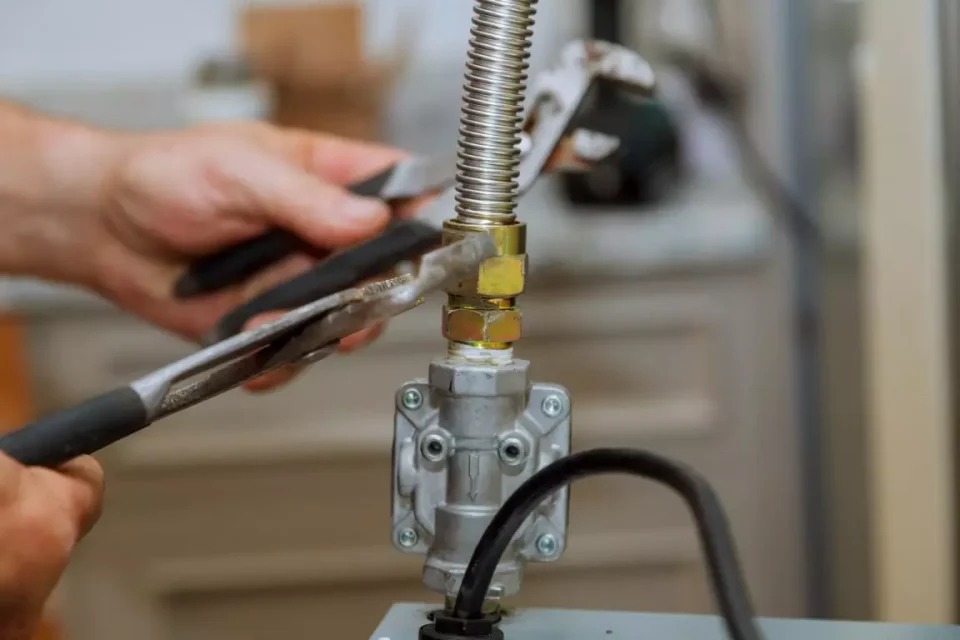
- Shut Off the Gas Supply: Locate the gas shut-off valve near your fireplace, typically on the wall or floor adjacent to the unit. It is usually a quarter-turn valve; rotate it 90 degrees to the “off” position. Ensure all pilot lights are extinguished.
- Olfactory Inspection: Carefully inspect the area around the fireplace, paying close attention to connections, gas logs, and the burner. If you detect any odor resembling rotten eggs, immediately proceed to the next step.
- Immediate Action: If a gas odor is present, ventilate the area by opening a window. Do not operate light switches, ignite flames, or attempt any repairs. Contact Utah Valley Plumbing immediately. Gas leaks require professional attention and can pose a significant hazard if not addressed promptly.
If no odor is detected, you may proceed to the next step, but remember that regular leak inspections are crucial for ongoing safety.

Step 2: Clean the Fireplace and Gas Logs
Over time, soot, dust, and other debris can accumulate within the firebox and on the gas logs. This buildup can detract from the fireplace’s aesthetic appeal and potentially impact its performance and safety.
Procedure:
- Verify that the Gas Supply is Off and the Fireplace is Cool: Reconfirm that the gas supply to the fireplace is shut off and that the unit has completely cooled to prevent any risk of burns.
- Protect Surroundings: To protect your flooring from debris, place a drop cloth or old newspapers around the fireplace hearth.
- Vacuum the Firebox: Use a shop vacuum or a vacuum cleaner with a hose attachment to remove loose debris from the firebox floor and walls thoroughly, paying particular attention to corners and crevices.
- Clean Gas Logs: If your fireplace uses decorative gas logs, gently clean them with a soft brush or a damp cloth. Avoid using abrasive cleaners, which can damage the logs’ finish.
- Inspect the Burner: Carefully examine the burner, ensuring all ports are clear and unobstructed. If any blockages are present, use a small wire brush or a paperclip to remove them gently without damaging the burner itself.
A clean firebox and logs provide optimal performance and a more visually appealing fireplace.
Step 3: Ensure Proper Ventilation. Complete a Chimney Inspection
Adequate ventilation is essential for safe and efficient gas fireplace operation. A blocked or dirty chimney/vent can lead to a dangerous buildup of combustion byproducts, including carbon monoxide, within your home.
Procedure:
- Visual Flue Inspection: Using a flashlight, carefully examine the flue inside the fireplace, looking for any visible obstructions such as bird nests, debris, or excessive creosote buildup.
- Chimney Cap Examination: If you can safely access your roof, inspect the chimney cap to ensure it is in good condition, securely fastened, and free from any blockages. The cap prevents rain, animals, and debris from entering the chimney.
- Professional Chimney Sweep: We strongly recommend scheduling a professional chimney inspection and cleaning by a certified chimney sweep, especially if it hasn’t been done recently. They possess the specialized tools and expertise to thoroughly assess and clean your chimney, ensuring its optimal performance.
A properly maintained chimney is vital for safe and efficient gas fireplace operation.
Step 4: Inspect the Pilot Light and Thermocouple
The pilot light and thermocouple are critical safety components within your gas fireplace. The pilot light provides the ignition source for the main burner, while the thermocouple acts as a sensor to shut off the gas supply if the pilot light is extinguished.

Procedure:
- Locate the Pilot Light: The assembly is typically near the main burner.
- Pilot Light Flame Inspection: The pilot light flame should be steady blue. A yellow, flickering, or weak flame may indicate a problem with the gas supply or the pilot light assembly.
- Thermocouple Examination: The thermocouple is a small metal rod positioned near the pilot light. Ensure the pilot light flame is directly contacting the thermocouple. Any dirt or misalignment can impair its functionality.
- System Test: Ignite the fireplace and observe the main burner’s ignition. Allow it to run for a few minutes, then turn it off. The pilot light should remain lit. If the pilot light extinguishes or the main burner fails to ignite, there may be an issue with the pilot light assembly, thermocouple, or gas valve.
If you suspect any problems with the pilot light or thermocouple, contact Utah Valley Plumbing for professional diagnosis and repair.

Step 5: Conduct a Final Operational Test
After completing the previous steps, you should conduct a final test to ensure your fireplace operates correctly.
Procedure:
- Restore Gas Supply: Turn the gas shut-off valve back to the “on” position.
- Ignite the Pilot Light: Follow the manufacturer’s instructions for igniting the pilot light. This typically involves pressing and holding a button or knob while using a lighter or match.
- Activate the Main Burner: Once the pilot light is stable, turn on the main burner. Observe the flame, which should be steady and a consistent blue color.
- Extended Burn Test: Allow the fireplace to operate for at least 30 minutes, monitoring for unusual noises, odors, or operational irregularities.
- Room Monitoring: While the fireplace is running, ensure adequate ventilation and be alert for any symptoms of carbon monoxide exposure, such as headaches, dizziness, or nausea.
A successful test run indicates that your fireplace is likely ready for winter use. However, ongoing maintenance is essential for continued safety and efficiency.
Utah Valley Plumbing: Your Trusted Partner for Gas Fireplace Safety and Maintenance
While these steps provide a comprehensive guide to winterizing your gas fireplace, Utah Valley Plumbing is here to assist with any fireplace maintenance or repair. Our team of expert technicians offers a full range of services, including:
- Gas Leak Detection and Repair
- Firebox Cleaning and Inspection
- Chimney Inspection and Cleaning Coordination (with trusted, certified chimney sweep partners)
- Pilot Light and Thermocouple Inspection and Repair
- Gas Valve Inspection and Repair
We are committed to ensuring your gas fireplace operates safely and efficiently, providing warmth and peace of mind throughout winter. Don’t delay your fireplace’s winter preparation. Contact Utah Valley Plumbing at (801) 515-3200 to schedule a comprehensive inspection and maintenance service. Let us help you enjoy a safe and cozy winter!