
As winter approaches in Utah, commercial properties must take precautions to ensure their gas lines are safe and operational through the cold season. Utah’s winters are known for harsh temperatures, so businesses in Utah and Salt Lake Counties rely on consistent heating to keep operations running smoothly. Preparing commercial gas lines for winter is essential to prevent costly repairs, downtime, and safety risks.
This guide provides an in-depth look at preparing commercial gas lines for winter, ensuring your property is well-equipped for Utah’s coldest months.
The Importance of Winterizing Gas Lines for Commercial Properties
Winter preparation for commercial gas lines isn’t just about comfort—it’s a critical safety measure. When gas lines are not properly winterized, they’re susceptible to freezing, leaks, and structural damage. For businesses, this can mean costly repairs, temporary closures, and, in severe cases, potential safety hazards for employees and customers.
Preparing your gas lines for winter in Utah will protect your business, reduce emergency maintenance needs, and keep operations running smoothly.
Understanding How Cold Weather Affects Commercial Gas Lines
Cold weather can adversely affect commercial gas lines, primarily due to thermal stress. When temperatures drop, gas pipes may contract, putting pressure on fittings and seals and leading to cracks, leaks, or even complete gas line failures. Additionally, Utah’s winter brings challenges such as ice buildup, snow accumulation, and increased moisture, which can affect gas line performance.
Here’s a closer look at how winter impacts gas lines:
- Thermal Stress on Pipes: Cold temperatures can cause pipes to contract and expand, leading to strain on seals and joints.
- Increased Risk of Gas Leaks: When pipes contract, small cracks may develop, leading to gas leaks, which pose a major safety hazard in commercial spaces.
Understanding these risks is the first step toward ensuring a safe and prepared property for the winter season.
Steps to Prepare Commercial Gas Lines for Winter
Preparing your gas lines for winter is an investment in safety and peace of mind. Here are essential steps for winterizing your commercial gas system.
1. Conduct a Thorough Inspection of Gas Lines
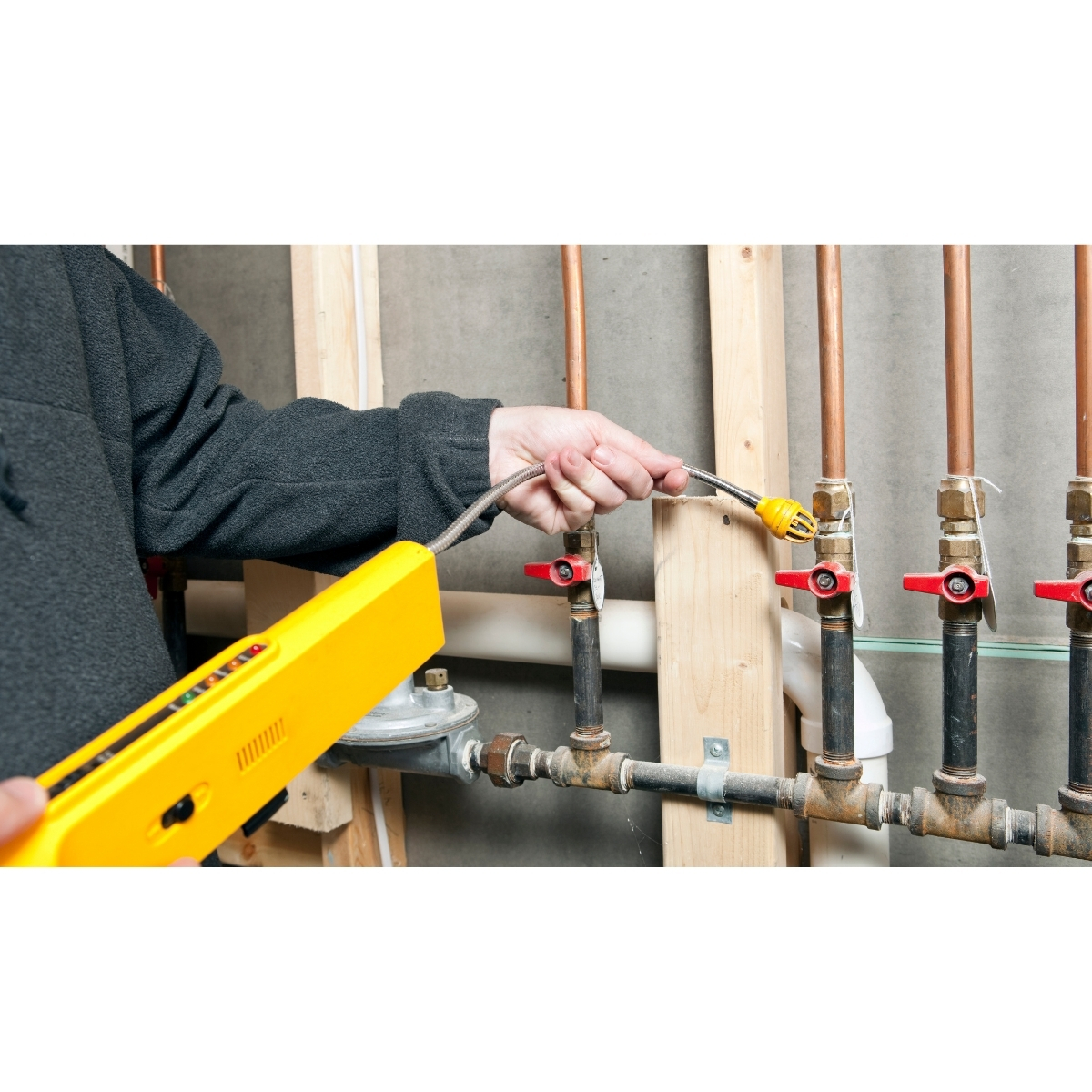
Routine inspections are critical for spotting any damage that might worsen in cold temperatures. Check for visible wear and tear, corrosion, rust, or potential leaks. Ensure all valves are fully operational, as worn-out valves can increase the risk of leaks.
- Check for Visible Wear and Tear: Identify cracks, dents, or any signs of damage to avoid issues during freezing weather.
- Look for Corrosion or Rust: Corrosion can weaken pipes, increasing their vulnerability in cold conditions.
- Inspect Valve Functionality: Properly working valves maintain safe gas line operation.
2. Test Pressure and Gas Line Stability
Pressure testing is essential during high-demand winter months to prevent unexpected issues. Temperature shifts can affect pressure, potentially leading to performance issues or safety risks. Regular testing is also essential for older commercial properties.
- Why Pressure Testing Matters: It helps ensure that your system is ready to handle temperature fluctuations.
- Frequency of Testing for Commercial Properties: Quarterly testing is recommended to stabilize gas lines.
- Professional Inspection and Repair: Hiring professionals for inspections ensures all issues are handled correctly and safely.
3. Insulate Exposed Gas Lines
Insulating your gas lines can significantly reduce the risk of freezing. In Utah’s climate, the right type of insulation—such as foam, rubber, or fiberglass—can protect pipes in particularly cold or exposed areas.
- Types of Insulation for Commercial Gas Pipes: Foam, rubber, and fiberglass are practical options for gas line insulation.
- Recommended Insulation Materials for Utah’s Climate: Cold-resistant materials prevent freezing and condensation on gas lines.
4. Secure Outdoor Gas Lines and Equipment
Outdoor gas components, including valves, regulators, and meters, are more vulnerable to extreme weather. Protect these elements to prevent freezing and ensure they are accessible for maintenance.
- Protecting Valves, Regulators, and Meters: Shields and coverings can help keep snow and ice off essential components.
- Shielding Gas Meters from Snow and Ice Accumulation: Prevents damage to meters and reduces the need for emergency repairs.
5. Schedule Regular Maintenance and Emergency Services
A well-maintained gas system is better equipped to handle winter demands. Creating a maintenance calendar and an emergency response plan ensures quick action if problems arise.
- Building a Maintenance Calendar: Regular maintenance checks keep gas lines operating efficiently.
- Preparing an Emergency Plan: Having a plan in place for gas line emergencies, especially during winter, can minimize business disruptions.
- On-call Services for Utah Valley Businesses: Partnering with a reliable service like Utah Valley Plumbing provides peace of mind with 24/7 emergency support.
6. Educate Staff on Winter Gas Safety Protocols
Commercial properties often have multiple occupants or staff who need to know basic gas safety protocols. Educating staff on gas leak detection, emergency shut-offs, and reporting procedures can prevent minor issues from becoming major problems.
- Gas Leak Detection and Reporting: Train staff to recognize and report the smell of gas or hissing sounds.
- Emergency Shut-off Procedures: Ensure staff can access and use emergency gas shut-offs.
Common Winter Gas Line Issues for Commercial Properties
Winter introduces specific challenges for gas line performance. Here are some common issues that may arise during the colder months:
- Frozen Pipes: Can obstruct gas flow and damage pipes.
- Reduced Gas Flow: Cold weather can lower gas pressure, reducing system efficiency.
- Condensation Buildup: Moisture can accumulate inside pipes, leading to freezing and blockages.
Staying alert to these issues and addressing them early can prevent more significant problems.
The Role of Professional Plumbing Services in Winterizing Commercial Gas Lines
Hiring professionals to winterize gas lines ensures all aspects are handled thoroughly and safely. Utah Valley Plumbing brings local expertise to Utah’s unique winter demands, providing reliable services from inspection to insulation.
- Why Hire a Professional: Expert assessment can identify hidden vulnerabilities.
- Benefits of Local Expertise in Utah’s Climate: Local services understand the specific challenges Utah businesses face and offer tailored solutions.
Preparing for Power Outages and Heating Demands
Power outages are common during winter storms, and commercial gas systems must be prepared. Having a backup plan for heating systems can prevent disruptions to business operations.
- Increased Winter Gas Demand: High heating demand increases stress on gas lines.
- Power Loss and Gas System Reliability: Plan for power loss with backup heating solutions.
- Backup Power Recommendations: Consider generator options to keep heating running during outages.
Creating a Commercial Property Winterization Checklist
A winterization checklist is a handy tool for keeping all essential tasks on track:
- Inspection and Testing Schedule: Create a seasonal and pressure testing schedule.
- Winter Emergency Contacts List: List emergency contacts, including Utah Valley Plumbing.
- Maintenance Tips and Protocols: Keep a set of instructions on hand for essential maintenance tasks.
FAQs on Commercial Gas Line Winter Preparation
- What temperature do gas pipes start to freeze?
Gas pipes can freeze around 32°F, but preventive insulation helps protect against freezing. - How often should commercial gas lines be inspected?
Quarterly inspections are recommended for commercial properties, especially during seasonal changes. - Can I winterize gas lines myself, or should I hire a professional?
While some tasks can be DIY, hiring a professional ensures a thorough, safe job. - What are the signs of a gas leak in winter?
A sulfur smell, hissing sounds, or unusually high gas bills could indicate a leak. - Does insulation entirely prevent gas pipes from freezing?
Insulation helps, but extremely low temperatures may cause freezing without additional measures. - How can businesses reduce winter energy costs without compromising gas safety?
Regular maintenance, proper insulation, and efficient thermostat setting can reduce costs.
Ensuring Safety and Operational Efficiency Through Proper Winter Prep
Properly preparing your commercial gas lines for winter is crucial to keeping your property safe, maintaining uninterrupted operations, and avoiding costly repairs. Proactively inspecting, insulating, and securing your gas lines will help mitigate winter-related risks. For expert assistance, consider partnering with Utah Valley Plumbing to handle all aspects of gas line winterization.