

Preparing your commercial plumbing system for winter is essential as Utah temperatures start to dip. Seasonal changes can strain plumbing, and in commercial buildings, even a minor issue can quickly escalate into costly repairs. With a proactive fall maintenance checklist, businesses can prevent expensive disruptions and keep systems running smoothly through the colder months.
Why Fall Maintenance Matters for Commercial Properties in Utah
The Impact of Utah’s Fall Climate on Plumbing
Utah’s fall weather can challenge commercial plumbing systems with fluctuating temperatures and early freezes. Businesses in regions like Salt Lake City or Provo are especially vulnerable, as temperature swings can cause pipes to expand and contract, increasing the likelihood of leaks and other damage. By taking preventive measures in the fall, companies can reduce the risk of wintertime plumbing issues that may interrupt operations.
Typical Fall and Winter Plumbing Challenges
Each season brings unique challenges, and fall is a critical time to prepare for plumbing. Some issues that can arise include:
- Pipe leaks and bursts: Colder weather can lead to brittle pipes, making them more susceptible to cracking.
- Backflow issues: Heavy rainfall and leaf buildup can strain drainage, leading to backflow problems.
- Water heater inefficiencies: Water heaters work harder as temperatures cool, leading to potential breakdowns if not well-maintained.
Critical Commercial Plumbing Maintenance Tasks for Fall
Inspecting and Clearing Drains and Gutters
Falling leaves, debris, and sediment can clog gutters and drains, leading to slow drainage or flooding in certain areas. Regularly clearing debris from gutters and downspouts prevents these issues. For commercial properties, large roofs and expanded drainage systems mean blockages can affect entire buildings, so consistent cleaning is vital.
Checking Pipes for Cracks and Leaks
Look for cracks in exposed pipes, which can indicate wear and may worsen with temperatures. Conducting a thorough inspection allows you to spot minor leaks before they escalate. Inspections should cover areas exposed to weather, such as exterior walls and basement pipes, that are vulnerable to temperature changes.
Winterizing Outdoor Fixtures
Outdoor fixtures and sprinkler systems should be drained and insulated to prevent freezing. A burst outdoor pipe can lead to water damage in the surrounding area and pose safety risks to employees or clients. Insulating exposed pipes can make a big difference in maintaining water flow and preventing freezing.
Testing Water Pressure and Flow
Testing water pressure is essential for commercial buildings to ensure optimal flow and to identify early signs of clogs or leaks. Low water pressure may indicate hidden leaks or clogs that need immediate attention.
Addressing Potential Plumbing Problems That Arise in Fall
Pipe Blockages and Slow Drains
With increased fallen leaves and other debris, outdoor drains often face blockages that can cause flooding and slow drainage. Regular cleaning and even professional hydrojetting can help remove buildup that could lead to more severe issues.
Leaking and Burst Pipes
When temperatures fluctuate, pipes expand and contract, leading to cracks and leaks. Catching leaks early is crucial, as water damage can be expensive and disruptive.
Water Heater Strain
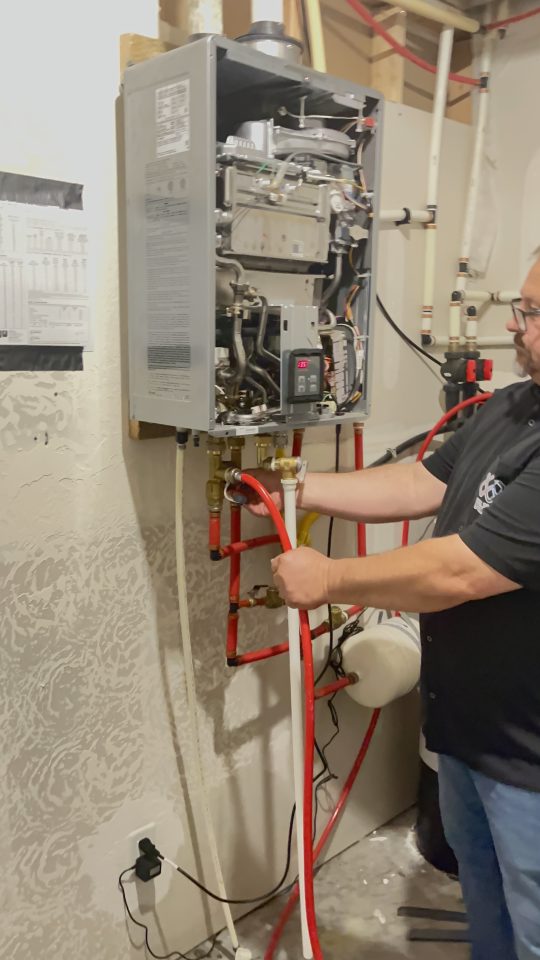
During colder months, water heaters are more prone to breakdowns, as they must work harder to heat incoming cold water. A fall water heater inspection can extend its lifespan and ensure it’s ready for winter.
Backflow Prevention
Fall maintenance should include checking backflow prevention devices. A clogged system due to debris can lead to unpleasant backflow issues, potentially contaminating water and requiring immediate repairs.
Winterization Steps for Utah’s Commercial Plumbing Systems
Insulating Pipes for Cold Weather
Adding insulation around pipes, especially in unheated areas like basements or garages, helps prevent freezing. Insulation materials, such as foam pipe sleeves, protect pipes and keep them warmer even in colder conditions.
Protecting Irrigation Systems
Sprinkler systems must be drained and shut off for the winter to prevent freezing and breakage. Proper winterization of irrigation systems can reduce repair costs and extend their life.
Implementing an Antifreeze Solution for Exposed Pipes
In some cases, adding antifreeze to exposed pipes is advisable, especially for outdoor plumbing. If the solution might mix with potable water, make sure to use a solution that’s safe for drinking water systems.
Financial Benefits of Regular Fall Maintenance
Preventive maintenance keeps your systems running smoothly and reduces long-term expenses. Here are some financial benefits for commercial properties:
- Lower repair costs: By identifying issues early, businesses avoid the high costs of emergency plumbing repairs.
- Increased system longevity: Regular upkeep prolongs the lifespan of plumbing systems, reducing the need for premature replacements.
- Improved water efficiency: Optimized water pressure and leak-free pipes conserve water, lowering water bills.
Working with a Licensed Professional for Fall Plumbing Maintenance
The Benefits of Professional Inspections
Licensed plumbers have the expertise to spot potential issues that might go unnoticed by untrained eyes. Professional inspection includes a complete analysis of piping system water flow, pressure, and integrity. Utah Valley Plumbing provides a comprehensive range of services, from winterization to backflow prevention, tailored to Utah’s climate.
Utah Valley Plumbing’s Commercial Expertise
With years of experience in Utah, Utah Valley Plumbing understands the specific needs of commercial properties. From small businesses in Orem to large buildings in Salt Lake City, we ensure plumbing systems are maintained and ready for Utah’s winters.
Case Study: Successful Fall Plumbing Maintenance in Salt Lake City
Consider a recent case where a Salt Lake City commercial property faced significant water heater issues. After a fall maintenance inspection, Utah Valley Plumbing identified sediment buildup in the water heater and a minor leak in the basement pipes. By addressing these issues early, the client avoided potential winter disruptions and reported improved efficiency in water heating.
Frequently Asked Questions on Commercial Plumbing Maintenance
What should be checked in a fall plumbing inspection?
Inspections should cover drains, pipes, water heaters, and outdoor fixtures. Checking for leaks, cracks, and blockages can prevent major winter issues.
How often should commercial plumbing maintenance be done?
To prepare for temperature changes, biannual maintenance is recommended, particularly in spring and fall.
What are the signs my plumbing needs fall maintenance?
Signs include low water pressure, slow drains, rust around pipes, or unusual sounds from water heaters.
How can I prevent frozen pipes in my commercial building?
Insulate exposed pipes, shut off and drain outdoor systems, and maintain a consistent indoor temperature.
Is fall maintenance necessary if I had repairs done recently?
Yes, even recently repaired systems benefit from seasonal maintenance to ensure repairs hold up through temperature shifts.
What costs can be expected for a fall plumbing service?
Costs vary based on the property size and services needed, but preventive maintenance can save money in the long run by avoiding emergency repairs.
Prioritize Fall Maintenance to Protect Your Business
For businesses in Utah, fall plumbing maintenance is a crucial investment to ensure a safe and functional environment through winter. Utah Valley Plumbing offers expert services tailored to the specific needs of commercial properties in Utah and Salt Lake Counties. Contact us today to schedule a fall maintenance inspection, and let us help you safeguard your plumbing system for the season ahead.