

Avoid Unexpected Downtime with Routine Commercial Plumbing Maintenance
A successful business involves keeping things running smoothly, including your plumbing systems. From restrooms and kitchens to water lines and drainage, the condition of your plumbing can directly affect your operations. For businesses across Utah and Salt Lake Counties, investing in commercial plumbing maintenance is a practical way to prevent disruptions and protect your bottom line. In this article, we’ll dive into the importance of regular maintenance, its benefits, and how to ensure that your plumbing systems are always in top shape.
Understanding Commercial Plumbing Maintenance
What is Commercial Plumbing Maintenance?
Commercial plumbing maintenance involves a series of routine checks and services that ensure a building’s plumbing systems operate efficiently. It’s more comprehensive than typical residential plumbing care due to the complexity and scale of systems found in commercial settings like restaurants, offices, and retail spaces.
Differences Between Residential and Commercial Plumbing Systems
Due to the larger number of users and the complexity of their structure, commercial plumbing systems often have higher demands. For instance, restaurants need consistent water flow and reliable grease trap management, while office buildings may have extensive restroom facilities. Unlike residential properties, commercial systems require frequent inspections to ensure everything operates efficiently.
Why is Maintenance More Crucial for Commercial Setups?
A minor plumbing issue can quickly escalate in a commercial environment, leading to disruptions that can affect your business’s operations and reputation. A backed-up toilet in an office building or a burst pipe in a restaurant can result in unhappy customers and lost revenue. That’s why regular commercial plumbing maintenance keeps everything running smoothly.
Common Plumbing Issues in Commercial Properties
Understanding the typical problems in commercial plumbing can help business owners know what to watch for. Here are some of the most common issues:
- Leaky Faucets and Pipes: Constant leaks can waste significant amounts of water, leading to higher utility bills.
- Clogged Drains: Due to higher use, drains in restrooms and kitchens can get clogged more frequently, leading to slow water flow or flooding.
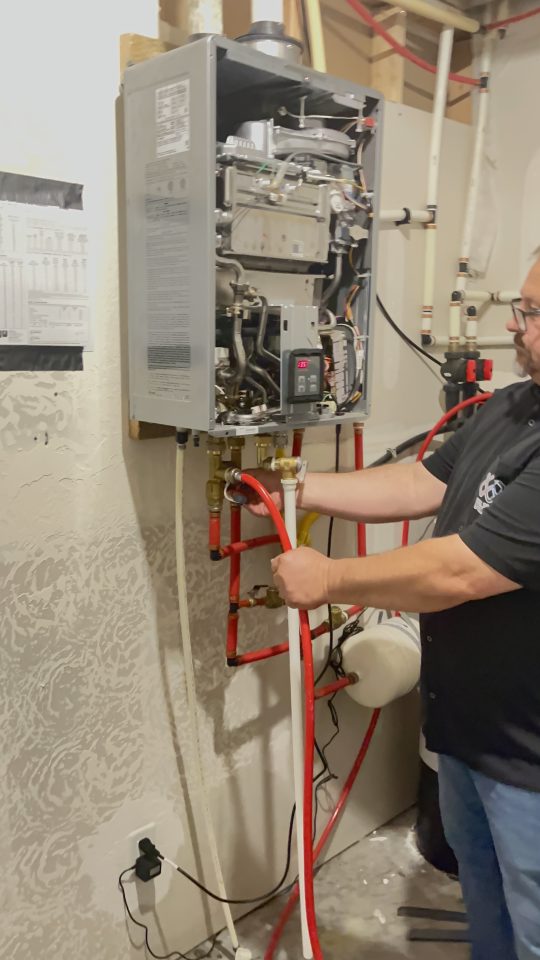
- Water Heater Issues: Commercial water heaters endure more use and thus require regular checks to avoid breakdowns.
The Risks of Skipping Routine Plumbing Maintenance
Neglecting routine plumbing maintenance on a commercial property can be costly. Here’s why:
- Potential Costs of Emergency Repairs: An emergency plumbing call can be much more expensive than regular maintenance, especially if it involves extensive water damage.
- Impact on Business Operations: A short-term plumbing issue, like a blocked drain in a restaurant, can disrupt operations, leading to revenue loss and dissatisfied customers.
- Damage to Business Reputation: Recurring plumbing problems can give customers the impression that a business is poorly managed, affecting your reputation and customer retention.
Key Benefits of Regular Plumbing Maintenance for Businesses
Proactive plumbing care offers numerous advantages that extend beyond preventing issues. Here’s how routine maintenance can benefit your business:
- Prolongs the Life of Plumbing Systems: Regular maintenance can significantly extend the lifespan of pipes, water heaters, and other fixtures by addressing wear and tear before it escalates.
- Reduces the Risk of Major Breakdowns: Early detection of issues, like minor leaks or sediment buildup in water heaters, prevents more severe damage.
- Ensures Compliance with Health and Safety Regulations: In Utah, businesses must adhere to specific plumbing standards. Routine checks ensure compliance and help avoid fines or legal issues.
Essential Components of a Routine Plumbing Maintenance Plan
A well-structured maintenance plan is essential to avoid unexpected plumbing issues. Here’s a checklist to consider:
- Inspect for Leaks: Regularly check pipes, faucets, and toilets for signs of leaks.
- Clean Drains and Traps: Prevent clogs by keeping drains clear and maintaining grease traps, especially in kitchens.
- Test Water Pressure: Ensure consistent water pressure to avoid damage to pipes.
- Monitor Water Heater Efficiency: Inspect and flush commercial water heaters to maintain optimal performance.
Recommended Frequency of Inspections and Services
For most commercial properties, an inspection every six months is recommended. However, high-traffic businesses like restaurants may benefit from quarterly checks to ensure everything remains in working order.
The Role of Technology in Maintenance
Tools like camera inspections and electronic leak detection systems have made it easier to identify hidden issues. Utilizing these technologies helps detect problems early, saving time and money in the long run.
How to Choose a Reliable Commercial Plumbing Maintenance Service in Utah
Finding a trustworthy plumbing service can make all the difference in maintaining your commercial property. Here are a few things to look for:
- Experience and Specialization: Look for a company specializing in commercial plumbing, like Utah Valley Plumbing, with years of experience handling complex systems.
- Licensed and Insured: Ensure the plumber is licensed and insured to avoid liability in accidents.
- Customer Testimonials: Reviews and testimonials from other businesses can provide insight into the company’s reliability and quality of service.
Key Questions to Ask When Hiring a Plumbing Company
- What types of commercial properties do you specialize in?
- Can you provide a detailed maintenance plan?
- How do you handle emergencies, and what is your average response time?
Case Study: How Routine Maintenance Saved a Salt Lake City Business from Major Plumbing Disruption
A Salt Lake City retail store partnered with Utah Valley Plumbing for routine maintenance. During a scheduled inspection, the main water line detected a significant leak risk. The issue was resolved before it caused any disruption, saving the business thousands of dollars in potential repairs and lost sales.
DIY Maintenance vs. Professional Services: What You Should Know
Overview of DIY Maintenance Tips
- Check for Visible Leaks: Regularly inspect sinks and visible pipes for drips.
- Clear Minor Clogs: Use a plunger or drain snake for minor clogs, but avoid harsh chemicals.
- Monitor Water Usage: Keeping an eye on water bills can help spot sudden increases, which could indicate a hidden leak.
When to Call a Professional Plumber
While DIY checks can catch minor issues, a professional should handle more significant problems like persistent clogs, water heater repairs, or pipe inspections.
Cost Comparison: DIY vs. Professional Maintenance
Though DIY can save money initially, ignoring professional services can result in missed issues that become costly emergencies. Investing in routine professional inspections is an innovative, long-term choice.
The Role of Preventive Maintenance in Saving Water and Reducing Utility Costs
Routine maintenance helps businesses save money by conserving water and optimizing system efficiency. Here’s how:
- Fixing Leaks Early: A small leak can waste thousands of gallons of water over time.
- Upgrading to Water-Efficient Fixtures: Incorporating low-flow faucets and fixtures during maintenance can significantly reduce water usage.
- Environmental Benefits: Sustainable plumbing practices help businesses reduce their ecological footprint.
Understanding Local Plumbing Codes and Regulations in Utah
In Utah, businesses must follow specific plumbing codes to ensure their customers’ and staff’s safety and health. Regular maintenance ensures compliance with these regulations, avoiding costly penalties.
- Overview of Key Regulations: Includes backflow prevention and proper installation of water heaters.
- How Regular Maintenance Ensures Compliance: Routine checks ensure that all plumbing components meet local standards.