
7 Signs Your Water Heater Needs Immediate Attention
Your water heater is crucial in providing comfort and convenience in your home, especially during Utah’s cold winters. However, like any appliance, it can develop issues over time. Knowing the warning signs of a failing water heater can help avoid major headaches and costly repairs. As the owner of Utah Valley Plumbing, I’ve seen countless cases where homeowners missed the early indicators of trouble. Here are seven signs that your water heater needs immediate attention to ensure you have hot water when you need it.
Understanding the Importance of Water Heater Maintenance
Regular water heater maintenance is the key to extending the life of your unit and ensuring it operates efficiently. Without proper care, small issues can snowball into larger, more expensive problems. In Utah’s climate, where temperatures drop significantly, a malfunctioning water heater can quickly become an emergency. By staying vigilant, you can catch minor issues before they escalate into major repairs or a complete breakdown.
Why Timely Water Heater Repairs Are Essential
Ignoring early warning signs of water heater issues can result in severe consequences. A faulty water heater risks failing to provide hot water and can cause leaks, leading to water damage in your home. Additionally, a malfunctioning unit consumes more energy, driving up your utility bills. Addressing problems early ensures safety, saves money, and extends the lifespan of your water heater.
Sign 1: Fluctuating Water Temperature
One of the most common signs that your water heater needs attention is inconsistent water temperatures if you notice that your water alternates between hot and cold during a shower, it might indicate a failing thermostat or heating element.
How Temperature Issues Can Affect Your Home Inconsistent temperatures can indicate sediment buildup within the tank, especially in areas like Provo and Orem, where hard water is standard. Sediment can settle at the bottom of the tank, creating a barrier between the water and the heating element, leading to uneven heating. Addressing this issue promptly can help maintain a steady hot water supply for your household needs.
Sign 2: Rusty Water or Rust Around the Heater
Seeing rust in your hot water indicates that your water heater may be rusting from the inside. This can lead to leaks, contamination, and, eventually, the need for a total replacement.
When Rust Indicates a Bigger Problem If rust is present in your hot water only and not in your cold water, it’s likely coming from the inside of the tank. Corrosion in the water heater’s inner lining means that the tank is deteriorating, which can lead to leaks. In such cases, it’s essential to consult a professional plumber to determine whether a repair or replacement is needed.
Sign 3: Unusual Noises Coming from the Water Heater
Water heaters should operate quietly. If you start hearing popping, rumbling, or banging noises, it could be a sign of sediment buildup at the bottom of the tank. Over time, this sediment hardens, making it difficult for the water heater to function efficiently.
How Sediment Buildup Affects Efficiency As sediment accumulates, the water heater works harder, using more energy to heat the water. This not only increases your energy bills but can also shorten the heater’s lifespan. Flushing your water heater annually can help manage sediment levels, but it’s time to call a professional if the noises persist.
Sign 4: Water Leaks Around the Heater
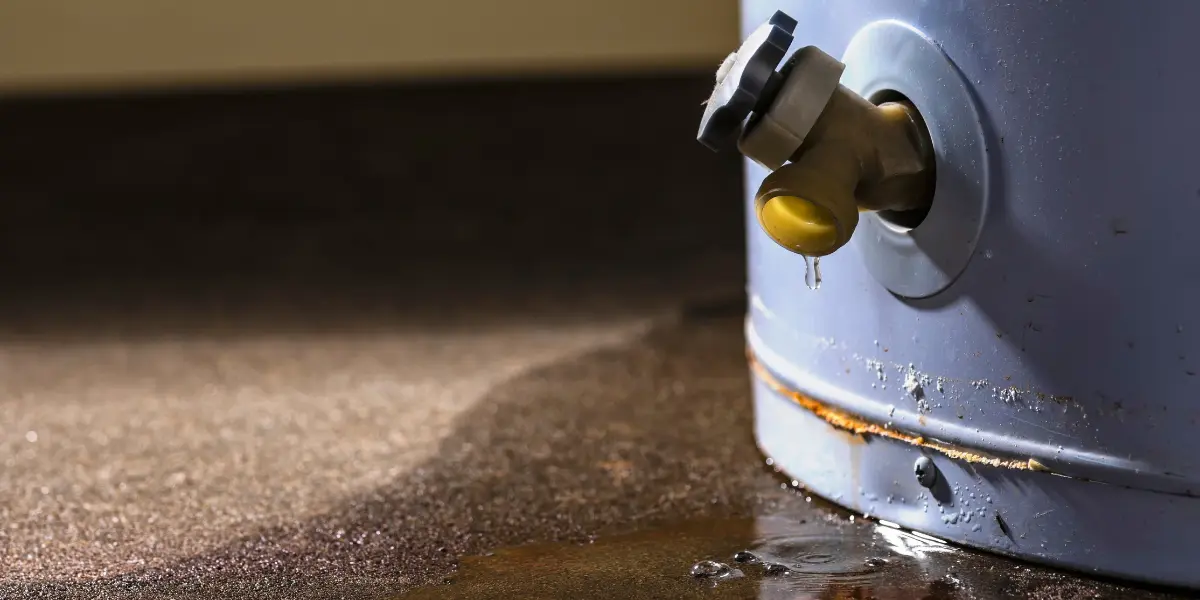
Water leaks are a serious issue and should be addressed immediately to avoid damage to your home. If you notice moisture or pooling water around your water heater, it’s a sign that something is wrong.
When to Call a Professional for Leaks A leak can result from a range of issues, from loose connections to a crack in the tank. It’s essential to determine the source of the leak quickly. A plumber can assess whether the problem can be repaired or if a new water heater is necessary. Ignoring a leak can result in mold growth or structural damage to your property, especially in basements or utility rooms in places like Salt Lake City.
Sign 5: Water Heater is Over 10 Years Old
The average lifespan of a water heater is around 8-12 years. If your unit is approaching or has surpassed this age, it’s more susceptible to problems, even if it seems to be working fine.
Benefits of Upgrading to a Newer Model Modern water heaters are designed to be more energy-efficient, which can result in significant savings on your utility bills. Additionally, newer models often have advanced safety features, such as automatic shut-off valves, that can prevent water damage. If your water heater is older, consider upgrading before it fails.
Sign 6: Low Hot Water Pressure
Low hot water pressure is another indicator of a problem, especially in homes with older water heaters or where mineral buildup is common.
Troubleshooting Low-Pressure Issues Mineral deposits can clog pipes, restrict water flow, and reduce pressure. In some cases, flushing the water heater can help restore normal pressure. However, if the problem persists, it may be time to consult a professional plumber who can diagnose the issue and recommend a solution.
Sign 7: No Hot Water at All
A total lack of hot water is a sign that your water heater has a major issue. This could be due to a broken heating element, a malfunctioning thermostat, or a problem with the pilot light or gas valve.
Possible Causes of No Hot Water For electric water heaters, a failed heating element, or a tripped circuit breaker might be to blame. A faulty thermocouple or gas valve could be the issue for gas water heaters. In either case, you’ll need a professional to properly diagnose and fix the problem and restore hot water to your home.
When to Contact a Professional Plumber
Knowing when to call in the professionals can save you time, money, and the hassle of dealing with a cold shower. If you notice any of these signs or need clarification on the condition of your water heater, it’s best to reach out for a professional inspection.
Benefits of Professional Water Heater Repair Services At Utah Valley Plumbing, we provide thorough inspections and repairs to ensure your water heater runs smoothly. Our experts have experience handling various issues, ensuring that you receive accurate diagnoses and practical solutions, whether in Lehi, Spanish Fork, or anywhere else in Utah Valley.
Preventative Maintenance Tips for Water Heaters
Regular maintenance can extend the lifespan of your water heater and ensure it operates efficiently. Here are a few tips:
- Flush the tank annually to remove sediment.
- Check the pressure relief valve to ensure it’s working correctly.
- Inspect the anode rod every two years to prevent rust.
- Schedule annual inspections with a licensed plumber.
Following these tips can prevent common issues and keep your water heater in top condition.
Choosing the Right Water Heater for Your Home
When it’s time to replace your water heater, choosing the right one is crucial. Consider energy efficiency, capacity, and your home’s hot water needs.
Energy-Efficient Water Heater Options Tankless water heaters offer on-demand hot water and are more efficient than traditional tank models, making them an excellent option for Utah homes. However, they have a higher upfront cost. Consulting with a plumbing professional can help you find the best model for your needs and budget.
Frequently Asked Questions About Water Heater Repair
How can I tell if my water heater needs repair or replacement?
Look for signs like leaks, rust, and age. If repairs become frequent, a replacement may be more cost-effective.
What is Utah’s average water heater repair cost?
Repair costs vary but typically range between $150 and $600, depending on the issue.
Can I perform minor water heater repairs myself?
Simple tasks like relighting a pilot light are DIY-friendly, but significant repairs should be left to professionals.
How long does a typical water heater repair take?
Depending on the complexity of the problem, most repairs can be completed in 1-3 hours.
What should I do if my water heater is leaking?
Turn off the water supply to the heater and call a plumber immediately to assess the damage.
How can I prevent sediment buildup in my water heater?
Flushing the tank annually can help prevent sediment from accumulating and damaging the heater.
Don’t Ignore the Warning Signs
Water heater issues don’t resolve themselves, and delaying repairs can lead to higher costs and inconvenience. If you notice any warning signs, don’t wait—schedule an inspection or repair. For reliable, professional water heater services in Utah Valley, trust the experts at Utah Valley Plumbing.
Call Utah Valley Plumbing for Professional Water Heater Services Today! We’re here to ensure your home stays warm and comfortable all year round.