

5 Expert Tips for Choosing the Perfect Water Heater
Choosing the right water heater is a crucial decision for homeowners. Whether you’re building a new home in Utah Valley, replacing an old unit, or simply looking to upgrade, the right heater can significantly impact your comfort, energy bills, and overall satisfaction. With various options on the market, it’s easy to feel overwhelmed. However, focusing on a few key factors allows you to make a well-informed decision that meets your needs.
This guide will cover five expert tips to help you select the perfect water heater. From understanding your household’s hot water demands to considering energy efficiency and installation costs, these insights are designed to assist homeowners, renters, and DIY enthusiasts alike. Whether you’re a first-time buyer or looking to replace an outdated unit, these tips will ensure you choose a water heater with the best balance of performance, efficiency, and cost.
Understanding Your Household’s Hot Water Needs
One of the first steps in choosing the right water heater is understanding your household’s hot water needs. The amount of hot water your household requires daily plays a significant role in determining the type, size, and capacity of the water heater that will be most efficient for your home.
For homeowners, the number of people in your household and their water usage patterns are critical factors. A family of four, for instance, will likely need a larger water heater than a couple. It’s not just about the number of showers taken daily�consider other activities like washing dishes, laundry, and any appliances that consume hot water. These combined activities give you a clear picture of your daily hot water demand.
The climate also influences hot water needs in Utah Valley. Colder temperatures require more energy to heat water, meaning that homes in this region may need water heaters with higher capacity or efficiency. A properly sized water heater will ensure a consistent hot water supply without overloading the system, leading to better efficiency and lower energy costs.
Choosing the right size water heater is essential for maximizing energy efficiency and minimizing costs. If the water heater is too small, you’ll run out of hot water during peak times. If it’s smaller, you’ll end up heating water you don’t need, which wastes energy and money. To determine the right size, consider using a water heater size calculator or consulting with a professional plumber, like Utah Valley Plumbing, who can help you assess your specific needs.
- Energy Efficiency Matters: How to Choose Wisely
Energy efficiency is a critical factor in selecting the perfect water heater. With rising energy costs and growing environmental concerns, choosing a water heater that minimizes energy use can significantly impact your wallet and the planet. An energy-efficient water heater reduces your household’s energy consumption, lowers utility bills, and contributes to environmental sustainability.
When evaluating energy efficiency, look for the Energy Star label, which indicates that the appliance meets or exceeds energy efficiency standards set by the U.S. Environmental Protection Agency. Whether you’re choosing an electric, gas, or tankless water heater, the Energy Star rating provides a reliable efficiency measure.
Electric and gas water heaters differ in terms of efficiency. While electric water heaters are generally more efficient at converting energy into heat, gas water heaters tend to have lower operating costs due to the lower cost of natural gas. However, gas water heaters may need more efficiency through venting. Therefore, when comparing the two, it’s essential to consider the initial purchase price and the long-term operating costs.
Another crucial aspect is the energy factor (EF) rating, which measures the water heater’s overall efficiency, including standby losses, cycling losses, and recovery efficiency. A higher EF rating means the water heater is more efficient. Tankless water heaters, often on-demand water heaters, are particularly energy-efficient because they only heat water when needed, eliminating the standby losses associated with traditional tank water heaters.
Choosing an energy-efficient water heater is an investment that pays off over time through reduced energy bills. In Utah Valley, where cold winters demand reliable hot water, an efficient system ensures comfort while keeping energy use in check. Consult Utah Valley Plumbing to determine which water heater offers the best balance of efficiency and performance for your home.
- Tank vs. Tankless: Which is Right for You?
One of the most critical decisions you’ll face when selecting a water heater is between a traditional tank and a tankless (or on-demand) model. Each type has pros and cons, which can help you make the best choice for your home and lifestyle.
Tank Water Heaters: These are the most common water heaters in homes. They store a set amount of hot water in a tank, typically 30 to 80 gallons. When the hot water is used, the tank refills and heats the new water to the set temperature. Tank water heaters are generally less expensive upfront than tankless models and are easier to install. However, they can be less efficient because they maintain the water at the set temperature, leading to standby heat losses.
Tankless Water Heaters: Also known as on-demand water heaters, tankless systems heat water only when needed. When you turn on the tap, the water passes through a heating element, quickly heating it to the desired temperature. This design eliminates standby heat losses, making tankless water heaters more energy-efficient than their tank counterparts. They also have a longer lifespan, often up to 20 years with proper maintenance.
However, tankless water heaters have a higher upfront cost and may require more complex installation, especially if retrofitted into a home designed for a traditional tank system. They can also be limited by flow rate, meaning that if multiple appliances or fixtures demand hot water simultaneously, the system may need help keeping up.
For Utah Valley homeowners, the choice between tank and tankless water heaters often comes down to balancing upfront costs with long-term savings. If your household has a high demand for hot water, a traditional tank may be more reliable. However, a tankless water heater could be the better choice if you’re looking for energy efficiency and lower utility bills over time. Consulting with a professional like those at Utah Valley Plumbing can help you weigh the benefits and drawbacks based on your specific needs.
- Consider the Installation Process and Costs
Installation is a critical factor that can significantly influence your overall satisfaction with your new water heater. Whether you opt for an electric, gas, tank, or tankless water heater, the installation process requires careful consideration of both cost and complexity.
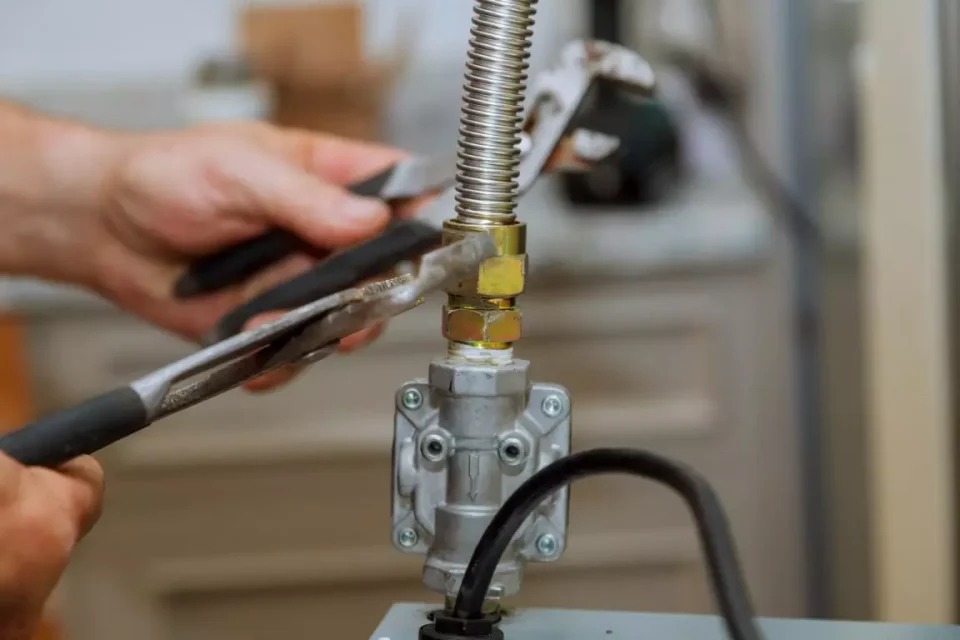
Professional installation is highly recommended for all water heaters, especially gas and tankless models. A proper installation ensures that the water heater operates safely and efficiently. Poor installation can lead to problems such as gas leaks, water damage, or inefficiency, which can be costly and dangerous.
Installation is generally straightforward for electric water heaters, especially if you’re replacing an old unit with a new one of the same type. However, it’s still important to ensure that the electrical connections and circuit breakers are adequate to handle the new water heater’s requirements. This is where Utah Valley Plumbing’s expertise comes in, as they can assess your home’s electrical system and ensure everything is up to code.
Due to proper venting and gas line connections, gas water heaters require more complex installation. Adding one can significantly increase the installation cost if your home doesn’t currently have a gas line. Additionally, gas water heaters need to be installed in a location that allows for proper ventilation to prevent the buildup of carbon monoxide.
Tankless water heaters often have the highest installation costs, particularly if your home needs to be retrofitted to accommodate the new system. They may require upgraded gas lines or electrical systems and specific venting requirements. However, the long-term savings on energy bills can offset these initial costs.
When budgeting for a new water heater, it’s essential to factor in installation costs as well as the price of the unit itself. Installation can vary significantly depending on the type of water heater and the complexity of the installation. Getting a detailed quote from a trusted professional like Utah Valley Plumbing can help you avoid unexpected expenses and ensure your water heater is installed correctly and safely.
- Lifespan and Maintenance: Keeping Your Water Heater Running
Understanding the lifespan of your water heater and how to maintain it is crucial for ensuring it operates efficiently and lasts as long as possible. A well-maintained water heater can provide reliable hot water for many years while neglecting maintenance can lead to early failure and costly replacements.
The average lifespan of a traditional tank water heater is typically 10 to 15 years, while tankless water heaters can last up to 20 years or more with proper care. Factors such as water quality, usage patterns, and maintenance practices all play a role in determining how long your water heater will last.
Regular maintenance is critical to prolonging the lifespan of your water heater. One of the most essential tasks of maintenance is flushing the tank annually to remove sediment buildup. Sediment can accumulate at the bottom of the tank, reducing efficiency and potentially causing the tank to overheat or fail prematurely. Flushing the tank helps to prevent these issues and ensures the water heater operates at peak efficiency.
Another essential maintenance task is checking the temperature setting. The recommended temperature for most water heaters is around 120�F (49�C). Setting the temperature too high can increase energy costs and the risk of scalding, while setting it too low may result in insufficient hot water. Regularly inspecting and adjusting the temperature can help you maintain the ideal balance between comfort and efficiency.
Maintenance for tankless water heaters includes descaling to prevent mineral buildup in the heating elements. This is especially important in areas with hard water, like Utah Valley, where minerals can accumulate more quickly. Regular descaling ensures that the water heater continues to operate efficiently and extends its lifespan.
Utah Valley Plumbing offers comprehensive maintenance services to keep your water heater running smoothly. From annual inspections and flushing to temperature adjustments and descaling, their team of experts can help you maximize the lifespan and efficiency of your water heater.
- Warranty and Long-Term Support
When investing in a new water heater, understanding the warranty and available support is essential for protecting your investment. A good warranty provides peace of mind, ensuring that you’re covered in case of any defects or issues that may arise after installation.
Water heater warranties typically cover both parts and labor for a specified period. Most warranties range from 6 to 12 years for tank water heaters and up to 20 years for tankless models. However, the coverage details can vary significantly between manufacturers and models. It’s essential to read the warranty carefully to understand what is covered and for how long.
Some warranties may only cover specific components, like the tank or heating elements, while others offer more comprehensive coverage that includes all parts and labor. Additionally, some warranties may require regular maintenance to remain valid. For example, failing to flush the tank or descale the heating elements regularly could void the warranty. This is why professional maintenance from a trusted provider like Utah Valley Plumbing is so valuable�it ensures that your water heater remains in top condition and that your warranty stays intact.
Another essential aspect to consider is the availability of long-term support and service. Even after the warranty expires, having a reliable service provider like Utah Valley Plumbing can make a significant difference in the longevity and performance of your water heater. They offer ongoing maintenance, repair services, and expert advice to help you get the most out of your investment.
In summary, when choosing a water heater, pay attention to the importance of the warranty and long-term support. These factors not only protect you from unexpected costs but also ensure that your water heater remains efficient and reliable for many years to come.
Tips for Extending the Lifespan of Your Water Heater
Proper maintenance is the key to extending the lifespan of your water heater and ensuring it operates efficiently for as long as possible. Here are some expert tips to help you get the most out of your water heater:
- Flush the Tank Regularly: For tank water heaters, annual flushing is essential to remove sediment buildup. This simple maintenance task prevents overheating, improves efficiency, and prolongs the tank’s lifespan.
- Check the Temperature Setting: Keeping your water heater set at 120°F (49°C) balances energy efficiency with comfort. Regularly inspect the thermostat to ensure it’s functioning correctly.
- Inspect the Anode Rod: The anode rod is a crucial component in tank water heaters, preventing corrosion by attracting corrosive elements in the water. Replacing the anode rod every few years can significantly extend the life of the tank.
- Descale Tankless Water Heaters: In areas with hard water, like Utah Valley, mineral buildup can affect the performance of tankless water heaters. Regular descaling ensures that the heating elements remain efficient and the water flows smoothly.
- Schedule Professional Maintenance: Regular inspections by a professional plumber, like those at Utah Valley Plumbing, can catch potential issues early and keep your water heater in top condition.
By following these tips, you can ensure that your water heater remains reliable, efficient, and long-lasting, providing you with consistent hot water and peace of mind.
Common Mistakes to Avoid When Choosing a Water Heater
Choosing the right water heater involves more than just picking a model off the shelf. Here are some common mistakes to avoid to ensure you make the best choice:
- Overlooking the Right Size: A water heater that’s too small won’t meet your household’s hot water needs, while one that’s too large will save energy. Always calculate your household’s hot water demand before making a decision.
- Ignoring Energy Efficiency: Choosing a water heater without considering its energy efficiency can lead to higher energy bills over time. Look for Energy Star-rated models and consider the long-term savings.
- Underestimating Installation Costs: The cost of installation can vary significantly depending on the type of water heater and the complexity of the installation. Get a detailed quote before purchasing.
- Not Checking the Warranty: You need to read the warranty terms to ensure you are protected if something goes wrong. Make sure you understand what’s covered and what maintenance is required to keep the warranty valid.
- Neglecting Professional Advice: Consulting with a professional like Utah Valley Plumbing can help you avoid costly mistakes and ensure you choose the right water heater for your home.
Avoiding these common pitfalls will help you select a water heater that meets your needs and provides reliable service for years to come.
FAQs
What is the average lifespan of a water heater?
The average lifespan of a traditional tank water heater is 10 to 15 years, while tankless water heaters can last up to 20 years or more with proper maintenance.
How often should I flush my water heater?
It’s recommended to flush your tank water heater annually to remove sediment buildup, which helps maintain efficiency and prolongs the lifespan of the unit.
What size water heater do I need for my home?
The size of the water heater you need depends on your household’s hot water usage. A general rule of thumb is to have 10-15 gallons of water per person, but consulting a professional can provide a more accurate assessment.
How do I know if my water heater is energy efficient?
Look for the Energy Star label and check the Energy Factor (EF) rating. A higher EF rating indicates better energy efficiency. Tankless water heaters are generally more energy-efficient than traditional tank models.
What is the difference between a tank water heater and a tankless water heater?
Tank water heaters store and continuously heat water in a tank, while tankless water heaters heat water on demand as it flows through the unit. Tankless water heaters are more energy-efficient but have higher upfront costs.
How do I maintain my water heater to prolong its lifespan?
Regular maintenance includes flushing the tank, checking the temperature setting, inspecting the anode rod, descaling tankless units, and scheduling professional inspections.
Conclusion
Selecting the perfect water heater involves careful consideration of your household’s needs, energy efficiency, installation costs, and long-term maintenance. By following the expert tips outlined in this guide, you can make an informed decision that ensures reliable hot water, lower energy bills, and a long-lasting investment.
For homeowners in Utah Valley, consulting with professionals like Utah Valley Plumbing can provide additional peace of mind. With their expertise, you can choose a water heater that perfectly fits your home and enjoy the benefits of professional installation and ongoing support. Don’t leave your comfort to chance�invest in the right water heater today and enjoy years of efficient, reliable service.