

5 Essential Tips for Gas Line Safety in Your Commercial Property
Ensuring gas line safety in your commercial property protects your business and your employees. From restaurants and hotels to office buildings, commercial properties across Utah and Salt Lake counties depend on a steady gas supply for heating, cooking, and more. However, with this utility comes a significant responsibility: maintaining gas lines to prevent leaks and other hazards. This guide will walk you through five essential tips for maintaining commercial gas line safety, helping you keep your property safe and compliant with local regulations.
Why Commercial Gas Line Safety is Critical for Businesses
Gas line safety isn’t just about keeping operations smooth; it’s about protecting lives, property, and your business’s reputation. Poorly maintained gas lines can lead to severe risks, including gas leaks, explosions, and fires. Such incidents pose threats to life and can result in substantial financial losses, from property damage to legal liabilities. For example, a gas leak that goes unnoticed in a restaurant in Salt Lake City could lead to evacuation or even closure, affecting both revenue and reputation.
For businesses in Utah, staying compliant with local safety standards is essential. Failing to meet these standards can lead to fines, insurance issues, or serious consequences. Thus, a proactive approach to gas line safety can save your business from these potential risks.
Tip 1: Schedule Regular Gas Line Inspections
Routine inspections are a cornerstone of commercial gas line safety. A professional inspection ensures that any issues with your gas lines are identified before they become significant problems. It’s recommended that commercial properties, particularly those with heavy gas usage like restaurants, undergo a professional inspection at least once a year.
At Utah Valley Plumbing, our licensed technicians provide thorough inspections, checking for leaks, corrosion, and other potential hazards. We also ensure that your property meets all local and state safety regulations, giving you peace of mind. Regular inspections help maintain safety and extend the lifespan of your gas infrastructure, saving costs in the long run.
Warning Signs of Gas Line Issues
It’s important to remain vigilant for signs of trouble even between scheduled inspections. Here are some warning signs that your gas lines may need immediate attention:
- Hissing sounds: This could indicate a significant gas leak.
- The smell of rotten eggs: Natural gas is often odorized with mercaptan to make it easier to detect leaks. If you smell rotten eggs, it’s a strong indicator of a leak.
- Sudden spikes in gas bills: If your gas bill increases unexpectedly, it could be due to an undetected leak.
If you notice these signs, immediately evacuate the area, turn off the gas supply, and call a professional like Utah Valley Plumbing.
Tip 2: Upgrade to High-Quality Gas Line Materials
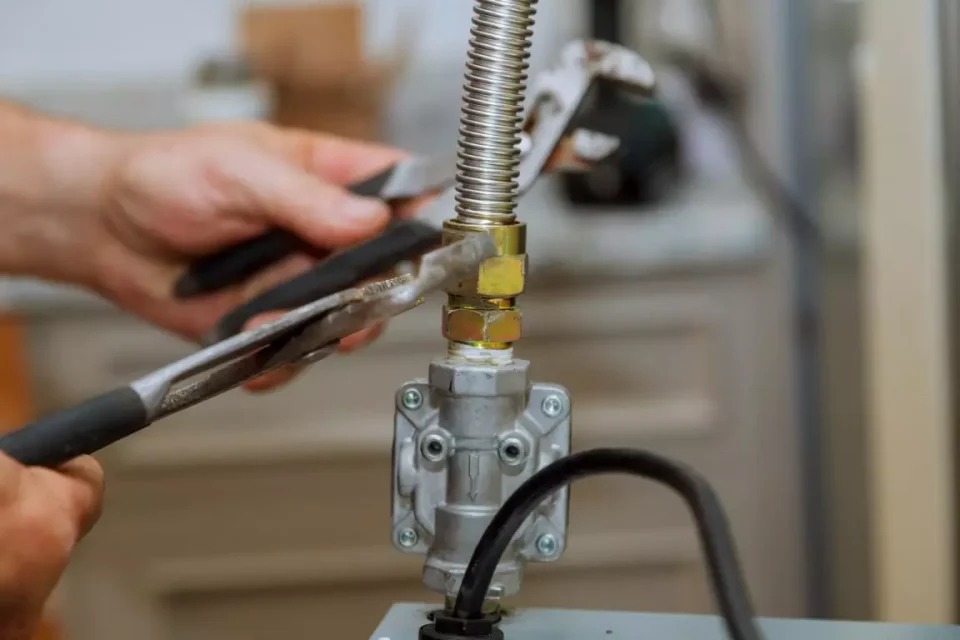
Using high-quality, durable materials is one of the best investments you can make in your commercial gas line safety. The materials used in gas lines significantly impact their longevity and resistance to wear and tear. Corrosion-resistant materials, such as polyethylene (PE) pipes or flexible stainless steel tubing, are highly recommended for commercial applications.
Using these materials ensures that your gas lines can withstand the elements and reduce the risk of leaks and ruptures. At Utah Valley Plumbing, we stay up-to-date with the latest materials and installation techniques, ensuring that your upgrades meet or exceed Utah’s safety standards.
Tip 3: Train Employees on Gas Leak Detection and Response
Your employees play a critical role in maintaining gas line safety. Training them to recognize the signs of a gas leak and to respond appropriately can make all the difference in an emergency. Here are a few key points to cover during training sessions:
- Recognizing a gas leak: Teach staff to identify the smell of gas and listen for unusual sounds, such as hissing, near gas appliances.
- Evacuation procedures: Have a clear evacuation plan and practice drills regularly.
- Emergency shut-off procedures: Show employees how to turn off the gas supply, if necessary, safely.
At Utah Valley Plumbing, we offer training sessions for commercial properties to ensure your staff is prepared for any gas-related emergencies. A well-prepared team can minimize risks and ensure the situation is handled safely until professionals arrive.
Tip 4: Ensure Proper Ventilation for Gas Appliances
Proper ventilation is critical to maintaining gas line safety in commercial buildings. Without adequate ventilation, gas can accumulate, increasing the risk of carbon monoxide buildup, which is both dangerous and potentially lethal. Gas-powered appliances, such as heaters, ovens, and boilers, all require proper airflow to operate safely.
Best Practices for Ventilation Maintenance
To ensure safe operations, follow these best practices:
- Inspect and clean vents regularly: Dust and debris can block vents, reducing their efficiency and causing dangerous gas buildup.
- Install carbon monoxide detectors: These detectors are a critical safety measure for commercial properties, alerting you to unsafe levels of carbon monoxide.
- Check air filters: Dirty filters can impede airflow and cause appliances to overheat, increasing the risk of malfunction.
Keeping up with these simple maintenance tasks can prevent gas buildup and keep your property safe for employees and customers.
Tip 5: Create an Emergency Response Plan for Gas Leaks
Even with all the preventative measures, an emergency response plan is vital. A well-developed plan helps ensure that everyone knows what to do in the event of a gas leak, reducing the likelihood of injuries or property damage. Your plan should include:
- Clear evacuation routes: Post maps and ensure all exits are accessible.
- Emergency contact numbers: Have the contact information for Utah Valley Plumbing and local emergency services easily accessible.
- Safety drills: Regularly conduct safety drills to familiarize employees with the procedure.
How to Coordinate with Local Authorities During a Gas Emergency
Coordinating with local fire departments and gas companies during a gas emergency is essential. In Utah, following protocols for contacting emergency services ensures a swift and safe response. Inform the authorities of the situation and follow their guidance while you await their arrival.
Benefits of Partnering with a Local Expert for Gas Line Safety
Regarding commercial gas line safety, working with a local expert like Utah Valley Plumbing ensures better service and faster response times. As a trusted provider in Utah and Salt Lake counties, we understand the specific needs of local businesses and the regulations they must meet. With our expertise, you can be confident that your gas lines are safe, efficient, and compliant with all applicable standards.
Conclusion: Prioritize Safety for Your Commercial Property
Maintaining gas line safety in your commercial property is an ongoing process that requires vigilance, quality materials, and professional expertise. By following these five tips—scheduling regular inspections, using high-quality materials, training staff, ensuring proper ventilation, and having an emergency plan—you can protect your business, employees, and customers from potential hazards. Contact Utah Valley Plumbing today to schedule an inspection and ensure your property’s safety.
FAQs About Commercial Gas Line Safety
Q: What are the signs of a gas leak in a commercial building?
A: Common signs include a rotten egg smell, hissing sounds near gas lines, and unexplained increases in gas bills.
Q: How often should commercial gas lines be inspected?
A: It’s recommended that your gas lines be inspected at least once a year, especially if your business relies heavily on gas-powered equipment.
Q: What materials are best for commercial gas line installations?
A: Corrosion-resistant materials like flexible stainless steel tubing and polyethylene pipes are ideal for commercial gas lines.
Q: How can I train my employees to handle gas emergencies?
A: Conduct regular training sessions on detecting gas leaks, evacuation procedures, and emergency shut-off protocols. Utah Valley Plumbing can assist with these training sessions.
Q: What should I do if I suspect a gas leak in my building?
A: Evacuate the building immediately, shut off the gas if it is safe, and contact emergency services and a qualified professional like Utah Valley Plumbing.